Murphy-organized workshop seeking abstracts

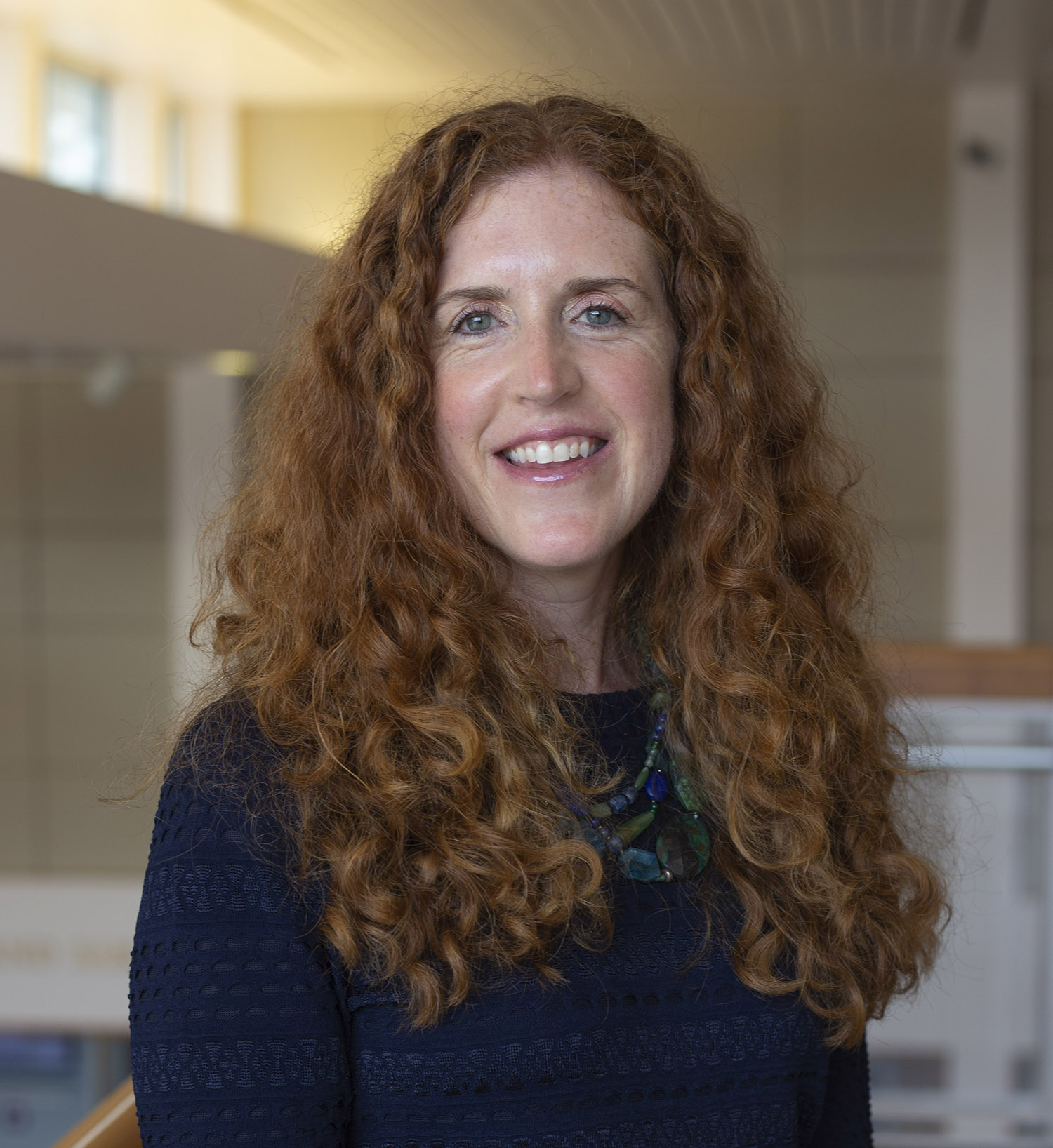
Professor Colleen Murphy is part of the organizing committee for the inaugural workshop on Paradigms and Transformations in Transitional Justice and Human Rights. Hosted at the University of Birmingham in May 2025, the conference seeks to bring together leading experts in transitional justice and human rights. The aim of this initial workshop is to explore dominant visions of accountability within transitional justice and human rights, as well as to develop ideas for future collaborations by exploring key aspects of the relationship between transitional justice and human rights—synergies, tensions, and other patterns and divergences. 

The organizers are seeking abstracts considering questions including:

  • How are the transitional justice and human rights fields related and how are they distinct?
  • What has shaped the anti-impunity paradigm in these fields?
  • What visions of accountability and prevention in each field have been displaced by, or could displace, penality?
  • How might human rights be mobilised to critically examine problematic (racial/colonial/carceral) paradigms within transitional justice, and vice versa?

Both academics and practitioners working in the fields of transitional justice and human rights are invited to submit abstracts (max. 300 words) on these topics by November 15, 2024, by email to Kate Webster: klw564@student.bham.ac.uk. Participants selected will be asked to share draft papers or paper outlines (minimum 2,000 words – maximum 8,000 words) prior to the workshop to facilitate discussion.
Wilson and students take part in “Undebates” on reproductive health

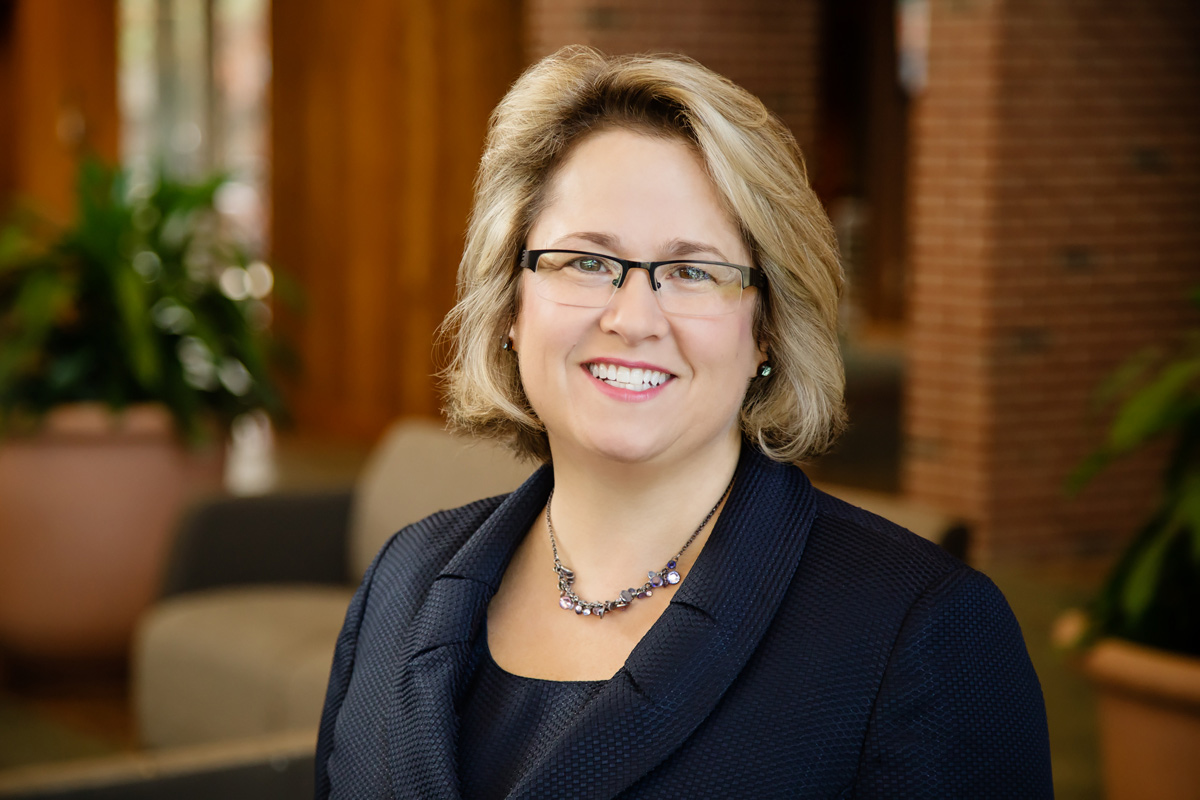
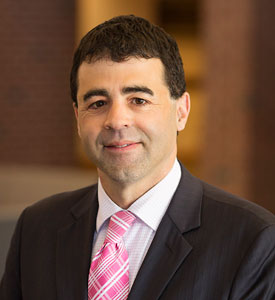
Sitting in front of an audience at the University of Illinois-Springfield, Sara Jane Peal, a 3L student, had no idea what to expect. Alongside Professor Robin Fretwell Wilson, Peal was on stage to discuss their research on reproductive health and reproductive rights in the different states as part of the Institute of Government and Public Affairs “Undebates” series, a discussion series on hot topics in the presidential election.

“It was nerve wracking. I had no idea who was going to show up,” Peal explained. On the strength of their hard work, though, the Illinois Law cohort handled the questions ably and helped inform many voters in the audience and beyond, as the panel was later distributed by Illinois Public Media as part of The 21st Show.

“The biggest surprise was this pocket of old men, and I expected them to ask me, like, some really hard-hitting, sort of more pro-life stances because, you know, they did look quite older. But they were pretty much just wondering about [questions like] what was the right to travel, how does this affect like health care and IVF? And that was surprising to me because I did expect a little bit more of an attack question,” Peal added. 

Prior to Peal’s turn on the stage, 2L student Ellen Florence Jones and LLM student Saraf Farhin Choudhury participated in a small group discussion of reproductive health. Professor Wilson described their discussion as “a vibrant exchange of thoughts and information between the law and medical students, where they supplemented each other’s knowledge, shared their opinions, and learned from each other.”

For Choudhury, the experience was “eye-opening.” She described her involvement in the project as deeply personal, with a long-term interest in women’s rights and reproductive health that was underlined by the Dobbs decision that allowed states to restrict access to abortion. Knowing of Professor Wilson’s work in this field, she sought the chance to work as a research assistant. Taking that chance paid off on the Springfield stage.

“The feedback we received for our research was incredibly inspiring. Everyone agreed that it’s an important and much-needed project. In many ways, the research came to life for me during this event, as it was my first time seeing Professor Wilson and Sara share our findings with an audience. It was truly motivational and inspiring to witness their presentation and the positive reception our work received,” Choudhury said.

Peal, who is interested in working in medical malpractice defense after graduation, came away from the Undebates event feeling encouraged by the collaboration with the doctors on the panels and eager to share more of their work.

“It’s just been such a fun, unique experience,” she said. “Actually spearheading the project and helping determine how it’s been shaped and what direction it goes in has been really fun and interesting. And I definitely think, especially for jobs and talking to my employer this summer, they were very impressed that I’ve had that research skill and that I’ve been able to look at a lot of different things and sort of condense it down into something that everybody can understand.”

An edited version of Peal and Wilson’s panel discussion is available to stream via Illinois Public Media.

Mazzone speaks with Law.com about remote proceedings

A high-profile sexual harassment trial has made some of the shortcomings of remote court prodeedings apparent and concerning. Not having a court reporter present has led to transcript problems, which can be an important issue according to Professor Jason Mazzone. “It will be the rare case in which an error in a transcript makes a difference in the outcome. But no lawyer wants to have to tell her client that a typo explains the adverse verdict,” Mazzone told Law.com.

Wall Street Journal quotes Lawless on policy issues to watch

Though the results of the November elections in the United States will represent a mandate for one group, there are several issues the Biden administration will likely seek to address in its last few months in the White House. The Wall Street Journal compiled a list of some of these policy priorities, including student-loan discharges. Professor Robert Lawless, an expert in bankruptcy issues, told the Journal changes made to student-loan discharges in bankruptcy are not supported by Republicans, who would likely rescind those changes immediately.

Sherkow publishes new paper on Myriad decision

A decade on from the U.S. Supreme Court’s decision in Association for Molecular Pathology v. Myriad Genetics, Inc., Professor Jacob Sherkow argues that what seemed like a political and cultural phenomenon has had a much narrower impact. Writing as the first author in a new paper published in Annual Review of Genomics and Human Genetics, Sherkow explains how the Myriad decision has had a modest impact on patents, largely hidden by other developments in science and law since the case was decided.

Murphy nominated BTAA-ALP Mellon Fellow

Professor Colleen Murphy has been nominated to become a part of the Big Ten Academic Alliance Mellon Fellows for the Humanities/Academic Leadership Program. The BTAA-ALP was created by the Provosts of the Big Ten Academic Alliance, the academic consortium of the Big Ten Universities, to develop the leadership potential of participating faculty, with particular emphasis on enriching the diversity of leadership in BTAA institutions. The Mellon Fellows program is funded through a grant to the BTAA from the Andrew Mellon Foundation. Congratulations to the Professor Murphy on behalf of the College of Law.

ABI quotes Brubaker on asbestos case

Bankruptcy Judge David S. Jones of New York ruled recently on a chapter 11 plan from cosmetics company Revlon regarding asbestos claims arising from products containing talc. In his ruling, Judge Jones noted that future asbestos claims can be discharged without a trust. In the American Bankruptcy Institute’s Rochelle’s Daily Wire, Professor Ralph Brubaker provided a counterpoint to a University of Chicago professor, claiming that “discharging the claim of a future claimant who has not yet been injured or discovered the injury” is unconstitutional and akin to something from Alice’s Adventures in Wonderland.

Elder Law Journal publishes new article from Kaplan

Professor Richard Kaplan has a new article in the Elder Law Journal, titled “Analyzing the New Planning Opportunities in SECURE 2.0 for Retirement Plan Participants.” The article examines six major changes enacted by the SECURE 2.0 Act of 2022 pertaining to current plan participants in retirement plans. Kaplan notes that the changes continue the pattern of using pension plans to accommodate social initiatives that are sometimes barely related to providing income when plan participants retire.

Finkin discusses pro-union law with Courthouse News Service

Illinois Governor J.B. Pritzker recently signed the Worker Freedom of Speech Act into law, prohibiting employers from subjecting their employees to mandatory “captive audience” meetings. The law was swiftly challenged by the conservative Illinois Policy Institute, who argue it infringes on free speech rights. Professor Matthew Finkin shared his take on the dispute with Courthouse News Service, explaining “This suit may not be timely until you have an employee that refuses to attend a meeting and gets fired for it.”

Robbennolt elected as APA Fellow

Professor Jennifer Robbennolt has been elected as a Fellow of the American Psychological Association, effective January 1, 2025. Fellow status is awarded to those who have demonstrated outstanding contributions in the field of psychology, enhancing the field by their diligent work and commitment. In addition, Fellows are those whose work has had a national impact on the field of psychology beyond a local, state or regional level. On behalf of everyone at the College of Law, we congratulate Professor Robbennolt for this distinguished honor.

College of Law
504 East Pennsylvania Avenue
Champaign, IL 61820
(217) 333-0931