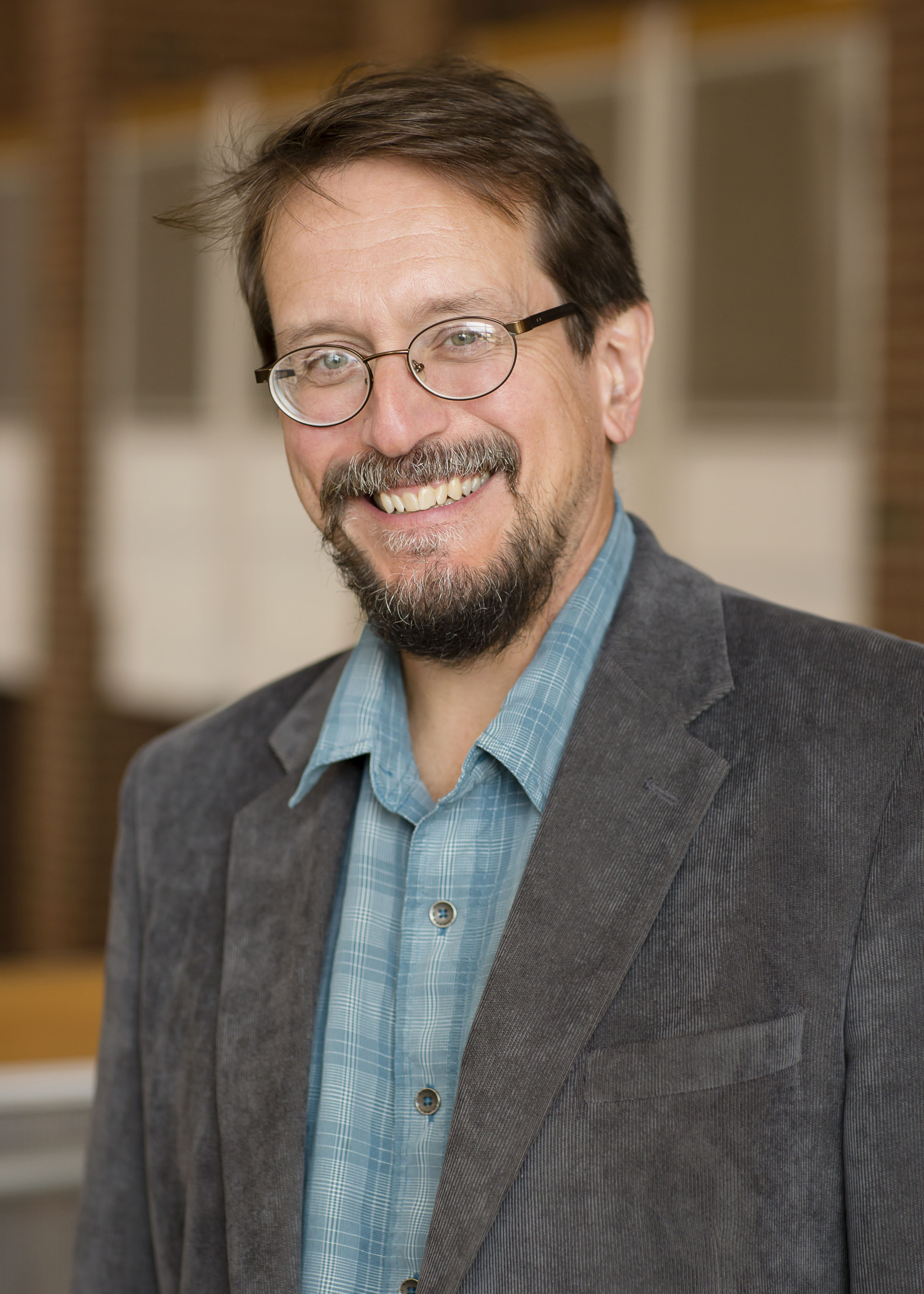
Sherkow talks about Myriad’s importance a decade later

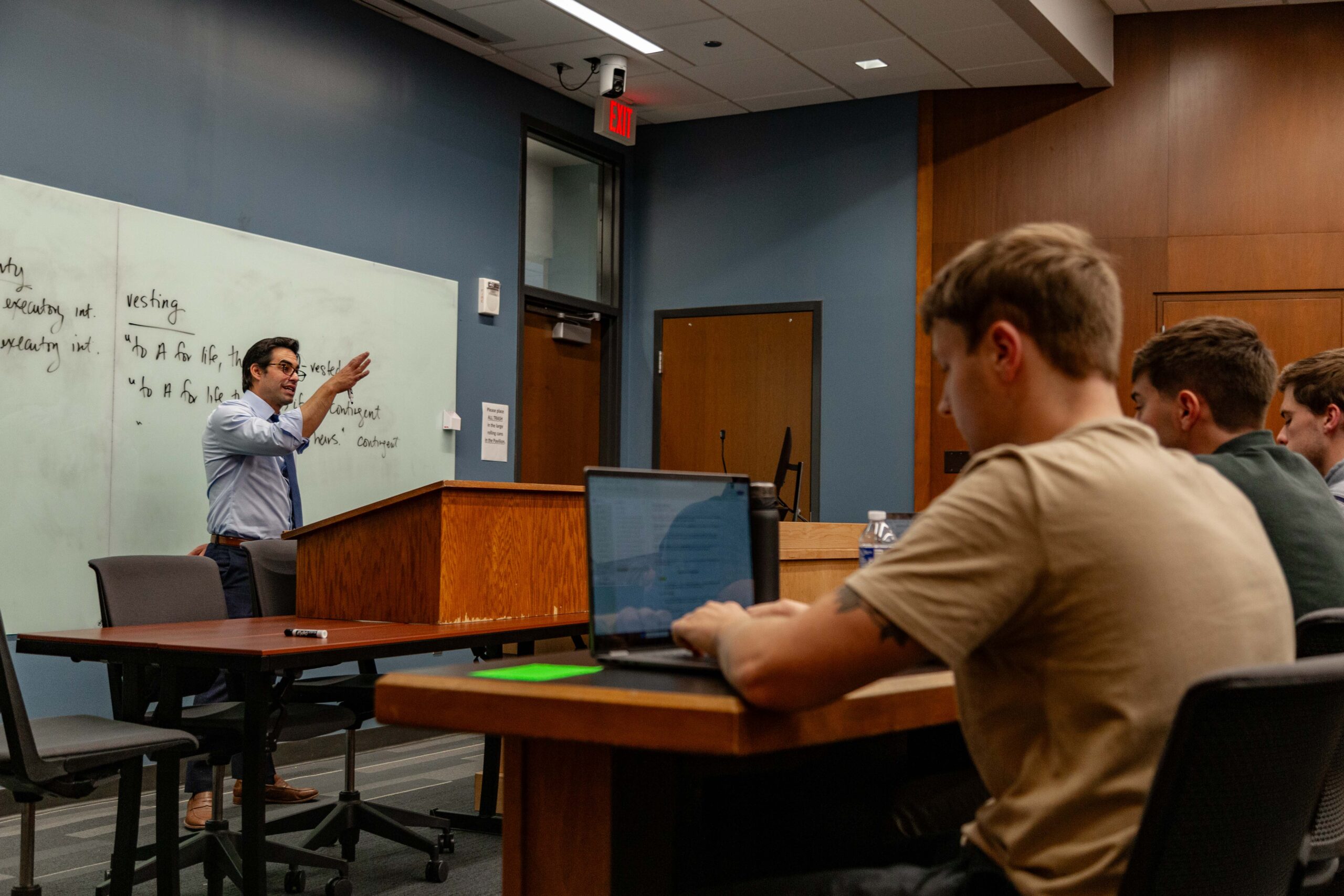
Association for Molecular Pathology v. Myriad Genetics, Inc. was a cultural phenomenon when the Supreme Court’s ruling was issued, with the outcome taking a place on the front-page of most major newspapers in the United States. Reflecting more than 10 years on from the decision, however, Professor Jacob Sherkow tells the Carl R. Woese Institute for Genomic Biology that the Myriad decision ended up having little impact on biotechnology research. 

Nature quotes Sherkow on researcher who treated her own cancer

Self-treatment is a risky and controversial choice, as detailed in a new Nature article about a cancer researcher who decided to do research and treat her own breast cancer. In the article, Professor Jacob Sherkow is quoted about the dangers of publishing this kind of work; his comments are also included in a story for Futurism.

Read both the Nature article and the Futurism article online.

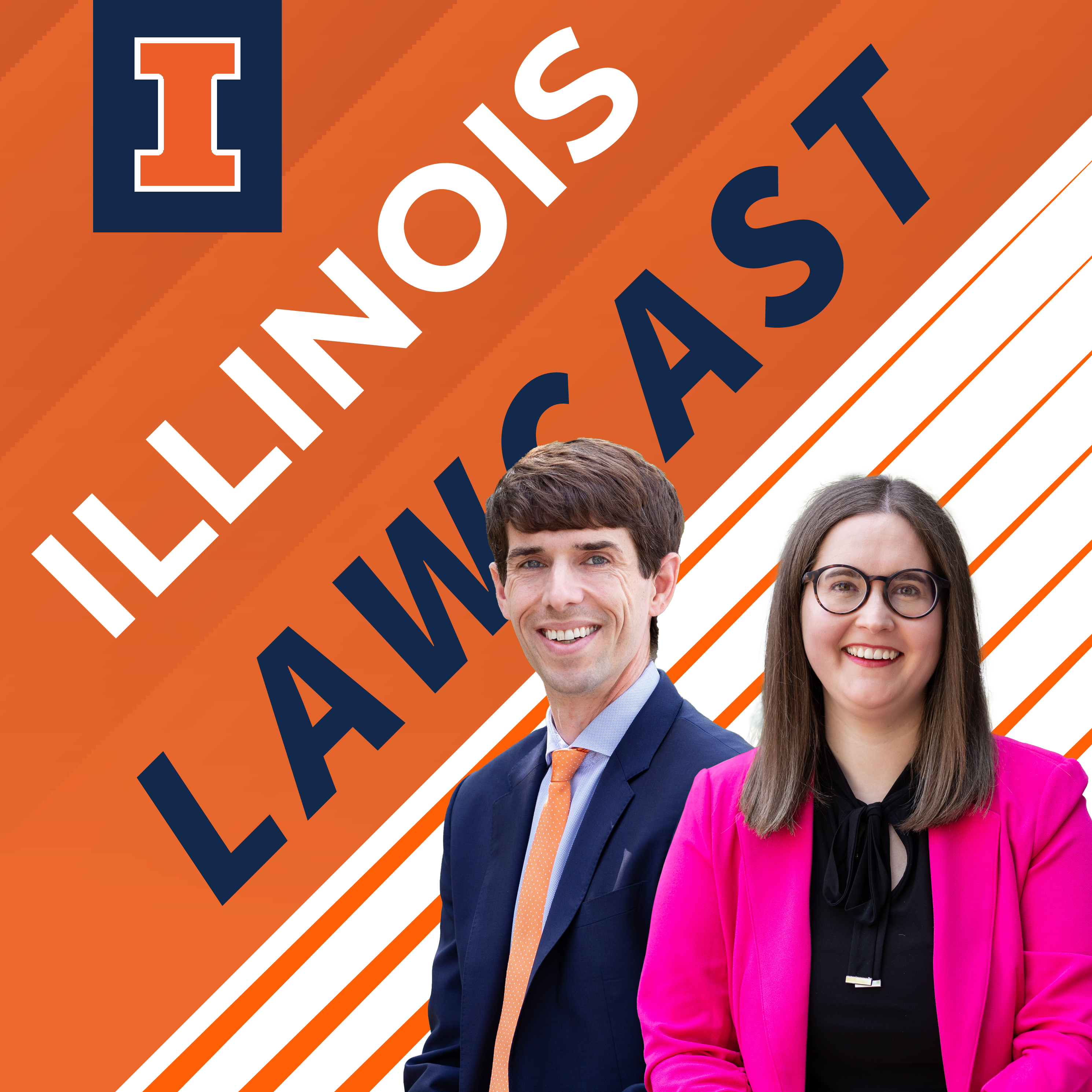
Illinois LawCast: Get to know Bill Watson and Sara Gerke

In this episode, our newest faculty members, Bill Watson and Sara Gerke, sit down to discuss their path to Illinois Law, their specialties, and how they are enjoying their time at the College of Law thus far.

If you have comments or suggestions for the podcast, please contact podcast@law.illinois.edu.

SSRN features Q&A with Gerke

Professor Sara Gerke was recently featured on the SSRN blog, discussing her extensive research. As part of their “Meet the Author” series, Gerke participated in a question and answer session covering her research on the ethical and legal challenges of artificial intelligence and big data for health care and health law in the United States and Europe. She shared some of her background and much about her research in the interview.

Gerke brings CLASSICA research to Illinois Law

New faculty member Sara Gerke has an extensive background in research prior to her time at Illinois Law and she has brought her work on CLASSICA with her to Champaign. CLASSICA is an EU-funded project examining cancer classification via AI technology across several clinics, surgical teams, and countries. Professor Gerke is one of the heads of the study of the legal and ethical implications raised by AI-assisted surgery as part of the project.

Sherkow presents before New York Intellectual Property Law Association

In September, Professor Jacob Sherkow delivered a presentation on the legal aspects of DNA sequencing cases to the New York Intellectual Property Law Association. His presentation, titled “Trade Secrets Committee Meeting: Litigating DNA Trade Secrecy,” covered whether DNA sequences are protectable by trade secrecy and if recent advances in DNA sequencing technology might destroy trade secrecy protection for certain kinds data. He reviewed the technology in the field and cases focused on DNA trade secrecy as well as provided practical suggestions for litigating DNA trade secrecy cases.

Sherkow publishes new paper on Myriad decision

A decade on from the U.S. Supreme Court’s decision in Association for Molecular Pathology v. Myriad Genetics, Inc., Professor Jacob Sherkow argues that what seemed like a political and cultural phenomenon has had a much narrower impact. Writing as the first author in a new paper published in Annual Review of Genomics and Human Genetics, Sherkow explains how the Myriad decision has had a modest impact on patents, largely hidden by other developments in science and law since the case was decided.

BioSpace quotes Sherkow on CRISPR patent dispute

The patent battle over CRISPR-Cas9 technology has gone on for longer than a decade, but continues to wind its way through the courts. The global CRISPR-Cas9 gene-editing market size is expected to grow to $14.65 billion by 2032, and Professor Jacob Sherkow told BioSpace that companies seeking to license the technology may be content to wait and see how the patent battle settles rather than rushing to pay now. “If you get that wrong, that is a lot of money you set on fire,” Sherkow said.

STAT quotes Sherkow on pharmaceutical patents

The practice of using “patent thickets,” which allow pharmaceutical companies to delay low-cost generic medicines reaching the market, is being targeted by a rule change proposed by the U.S. Patent and Trademark Office. The change would reduce the number of terminal disclaimers, an important part of patent thickets, which offers the potential to speed the entry of generic drugs to the market, Professor Jacob Sherkow explained to STAT. He cautioned, however, that companies may still find clever ways to skirt the rules.

Sherkow authors new article on DNA trade secrecy

Whether or not DNA sequences are subject to trade secrecy protections is the critical question examined by Professor Jacob Sherkow in his latest article, published in the Hastings Law Journal. Despite decades of scholarship assuming DNA sequences would be subject to protection, recent research has suggested this assumption was incorrect. Sherkow explores why DNA sequences might not be protected as well as the implications of this change.

College of Law
504 East Pennsylvania Avenue
Champaign, IL 61820
(217) 333-0931