Gerke named 2026-27 University Scholar

Sara Gerke is among five professors at the University of Illinois Urbana-Champaign that have been named 2026-2027 University Scholars in recognition of their achievements in teaching, scholarship and service. The program honors faculty excellence and provides $15,000 to each scholar for three years to enhance their academic careers. That money may be used for travel, equipment, research assistants, books or other purposes.

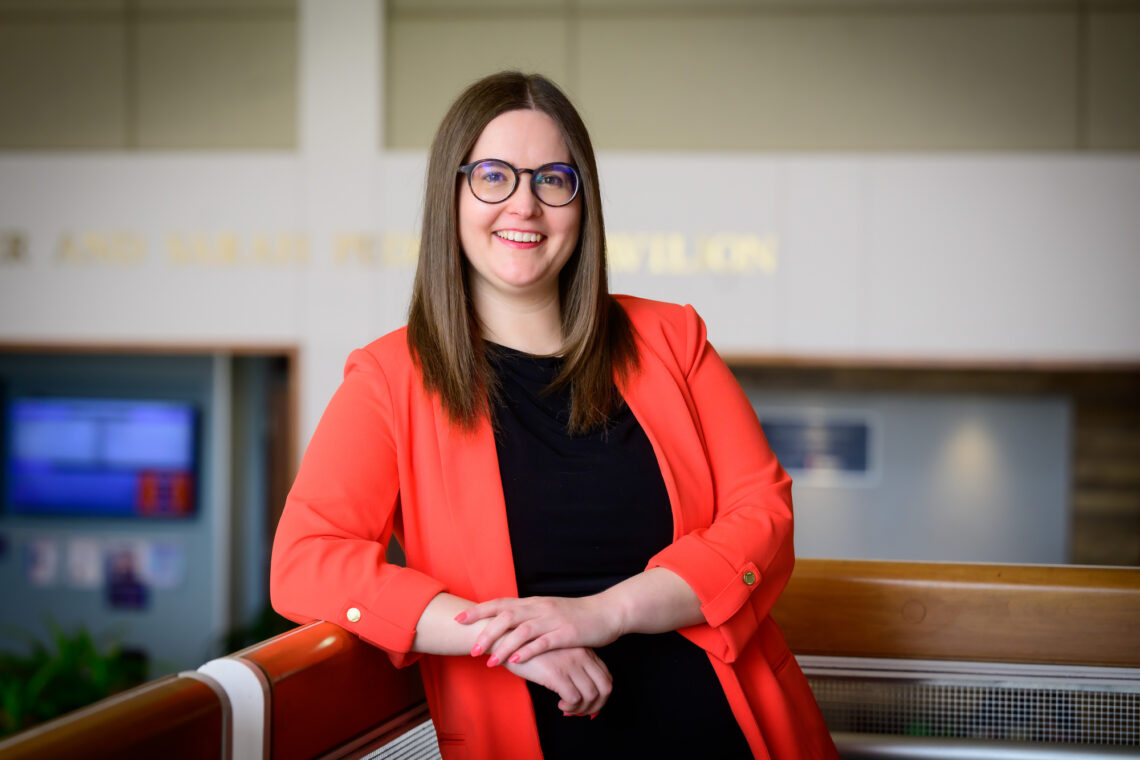
Gerke, the Richard W. and Marie L. Corman Scholar at the College of Law, is an expert in health law and bioethics with a particular focus on artificial intelligence and digital health. She also holds an affiliation as a professor in the European Union Center at Illinois.

Gerke’s research examines the ethical and legal challenges of AI and big data in healthcare as well as health law in the U.S. and Europe. She has led or contributed to numerous interdisciplinary projects that draw on her expertise in these fields, especially in emerging medical technologies such as artificial intelligence, robotics, bionics and stem cell research. Currently, Gerke is leading two major Illinois studies funded by the European Union through the Horizon Europe funding program: the legal and ethical implications of AI-assisted surgeries and the concerns raised by the use of AI in colonoscopies. With the explosion of interest in subject matters related to her research, Gerke’s work and perspective are in demand. She has more than 100 publications in her portfolio, is a frequent guest lecturer at institutions across the world and served as an external reviewer for the World Health Organization’s guidance on the “Ethics and Governance of Artificial Intelligence for Health.” 

Learn more about the other faculty members selected for this prestigious honor at news.illinois.edu.

Gerke publishes article in prominent gastroenterology journal about human deskilling in medical AI

In a new co-authored article for Nature Reviews Gastroenterology & Hepatology, Professor Sara Gerke explores the risks of “deskilling” for physicians as the use of AI proliferates in the practice of medicine. Gerke and her co-authors also explore whether such systems violate the European Union Artificial Intelligence Act, the world’s first comprehensive regulatory framework on artificial intelligence.

Gerke: Autonomous AI-based drug prescribing rife with potential problems

A first-of-its-kind pilot program in Utah developed by a health-technology startup company uses artificial intelligence to automatically renew certain prescriptions for patients with chronic conditions such as hypertension and diabetes. But according to a new paper co-written by a University of Illinois Urbana-Champaign expert in legal issues surrounding cutting-edge medical technology, autonomous AI-based drug prescribing raises important clinical and legal issues.

With AI rapidly being deployed in health care, a “move fast and break things” mentality has permeated the industry, raising complex questions about the role of the U.S. Food and Drug Administration in regulating these technologies, says Sara Gerke, the Richard W. & Marie L. Corman Scholar at the College of Law.

“The big issue here is the relationship between state and federal law, which we’re seeing in Utah, where the state has become a testing ground for so-called AI sandboxes that companies can use to experiment,” said Gerke, also a professor at the European Union Center at Illinois. “The idea behind it is to test these AI medical tools before they are completely developed. But even that is legally questionable. The existence of mitigation agreements and waivers under state law doesn’t automatically render the use of unproven medical technology lawful at the federal level.”

Is Utah’s first-in-the-nation pilot program allowing AI to renew prescriptions legal and ethical?

Utah has introduced a first-in-the-nation pilot program that allows AI to independently renew certain prescriptions for patients with chronic conditions. The 12-month initiative, which launched in January 2026, uses an AI system developed by the health tech company Doctronic, and operates under a special state “regulatory sandbox” designed to test emerging technologies. A New England Journal of Medicine (NEJM) article, authored by Sara Gerke, Ravi B. Parikh, and I. Glenn Cohen, raises serious questions about its efficacy and legality.

The program currently applies to nearly 200 commonly used medications, including treatments for conditions such as high blood pressure, diabetes, and depression. State officials say the goal is to improve medication adherence. After an initial review period of 250 cases by a physician, the AI system will begin making prescription renewal decisions without direct human oversight.

While the authors agree that “autonomous prescription renewal may offer benefits in narrowly defined clinical contexts,” they focus on several medical and legal issues raised by the program, including:

  • Risks when the system is used for medications requiring frequent dose adjustments or in patients whose clinical status could change rapidly.
  • Whether Doctronic problematically failed to seek FDA premarket authorization for the AI system as a medical device.
  • Whether AI-based prescribing is an instance of “misbranding” carrying potential civil or criminal penalties, because prescribing must be done by “a practitioner licensed by law to administer such drug.”

The article also discusses the complex relationship between state and federal law at play in such autonomous AI systems. “Such systems hold a lot of potential benefit for patients,” said I. Glenn Cohen, a Professor and Deputy Dean at Harvard Law School and one of the article’s authors, “but especially as the first-in-the-nation, it is important for patients that the developers consider all the legal and ethical issues raised.”

Gerke and co-authors urge caution as FDA plans to phase out animal testing in drug development

Replacing animal testing for drug trials is promising, but Professor Sara Gerke and her co-authors on a new paper on the subject believe caution is warranted before adopting change. Gerke recently spoke to the Illinois News Bureau about the paper.

“The primary goal of the FDA is to make animal testing the exception in 3-5 years, and a secondary goal is to get drugs to the market faster by reducing research and development costs,” she said. “Those are all worthy and ambitious goals, but it’s hard not to worry about the attendant risks in doing so. We really need to start thinking about how we ought to validate these new approach methodologies so that they’re at least as effective as animal testing.”

Gerke publishes article in AMA Journal of Ethics

As artificial intelligence technology becomes more commonplace, questions about its ethical use are of more salience. In the AMA Journal of Ethics, Professor Sara Gerke examines one area of interest in this field: how ambient listening and transcription technology influences medical doctors’ documentation practices and clinical encounters. In her article, Gerke and her co-author seek to answer questions and provide best-practice recommendations for informed consent processes and patient-clinician relationships.

Gerke selected for NSF CAREER Club

Professor Sara Gerke has been selected to participate in the Spring 2026 cohort of the NSF CAREER Club. This campus initiative helps equip faculty with knowledge, resources, and writing support necessary to develop a competitive proposal for the National Science Foundation (NSF) Faculty Early Career Program (CAREER).  As a participant, Gerke will be provided access to information sessions, training and consultation, structured writing groups, peer feedback, reviews by experienced research development staff, and a supportive environment throughout the proposal process, from conception to submission, all at no cost.

IGPA interviews Gerke on Illinois’s ban on AI therapists

Recent legislation made Illinois the first state to enact a ban on artificial intelligence serving as mental help therapists without oversight from a licensed clinician. To add context to this development, the Illinois Institute of Government and Public Affairs spoke to Professor Sara Gerke, an expert in the ethical and legal challenges of artificial intelligence and big data for health care and health law. “The problem with unsupervised AI in mental health is that chatbots are designed to keep conversations flowing, not to ensure accuracy or safety,” Gerke explained.

AI in Cancer Surgery and Care Conference features wide range of expertise and fosters interdisciplinary dialogue

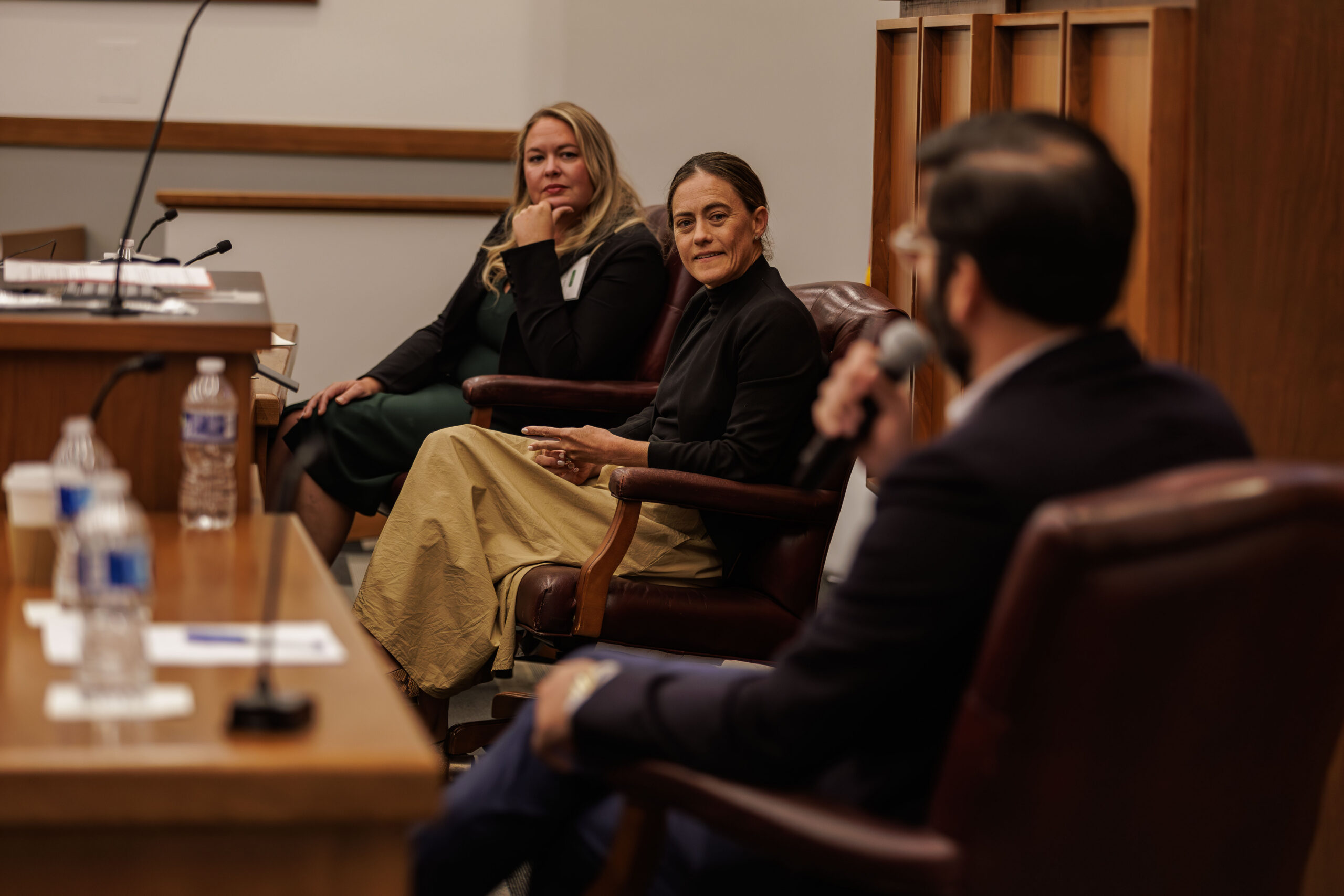
In partnership with the Cancer Center at Illinois, the University of Illinois College of Law hosted the AI in Cancer Surgery and Care Conference on September 4th and 5th, 2025.

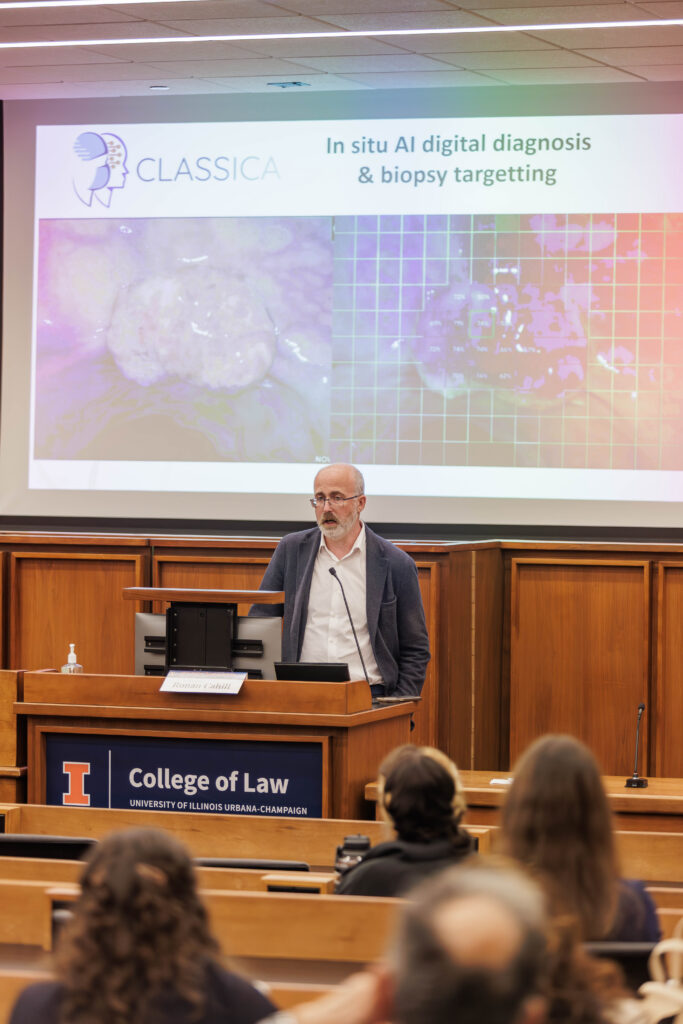
Organized by Sara Gerke, Associate Professor of Law & Richard W. & Marie L. Corman Scholar at the University of Illinois, the conference brought together a diverse group of experts to explore the transformative impact of AI on cancer diagnosis, treatment, and surgery. Keynote addresses were delivered by Dr. Ronan Cahill (University College Dublin) and Dr. Ravi Parikh (Emory University), and panel discussions featured 17 additional speakers from within academia and the medical field. The conference facilitated dialogue across disciplines and addressed not only medical and technical breakthroughs, but also the ethical and legal implications of these innovations. 

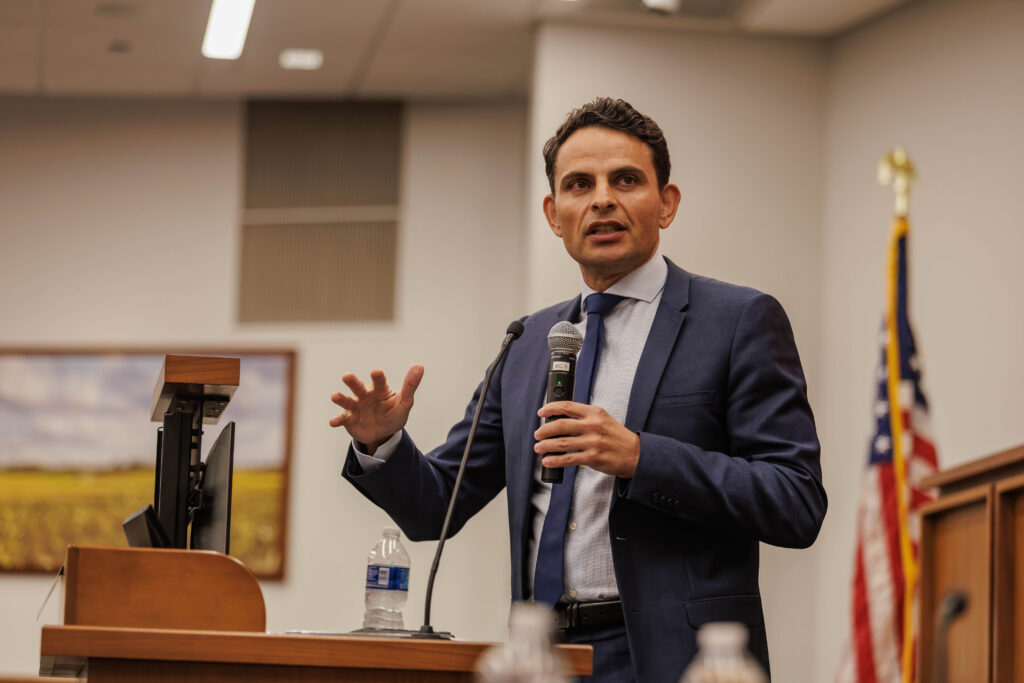
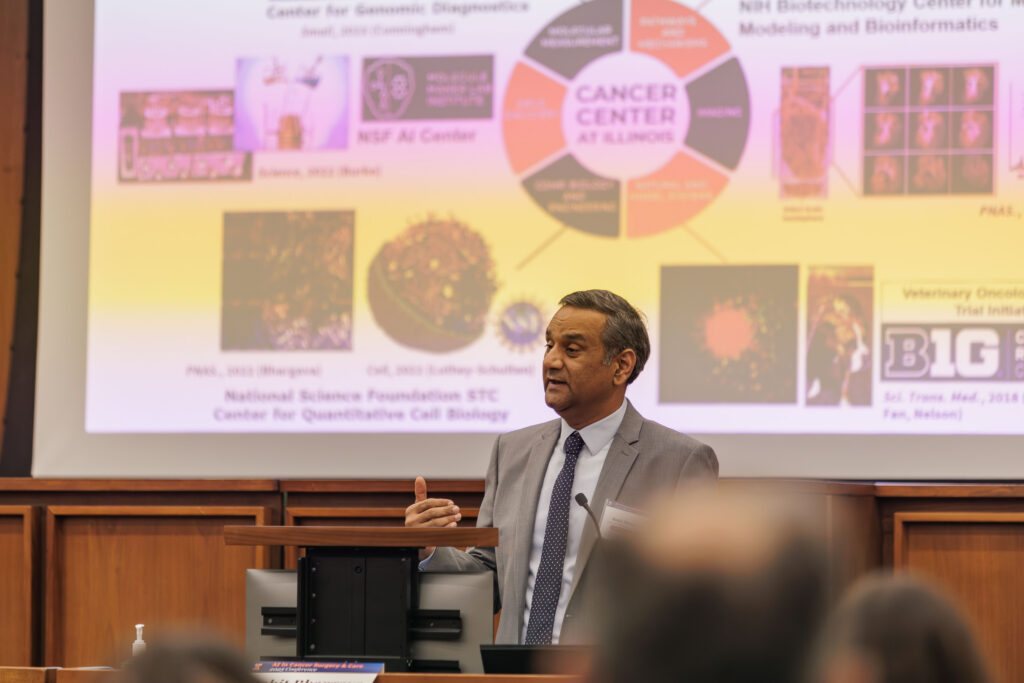
A male speaker presents during the AI in Cancer Surgery and Care Conference
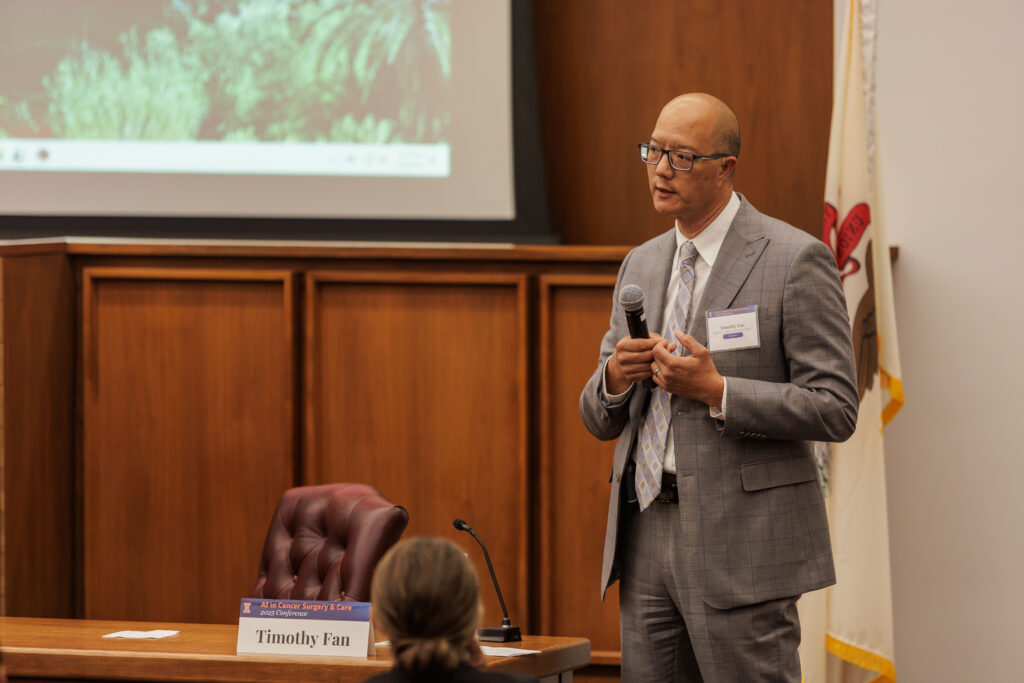
Timothy Fan, a presenter at the AI in Cancer Surgery and Care Conference, holds a microphone and speaks
Dr. Ronan Cahill delivers a keynote address during the AI in Cancer Surgery and Care Conference
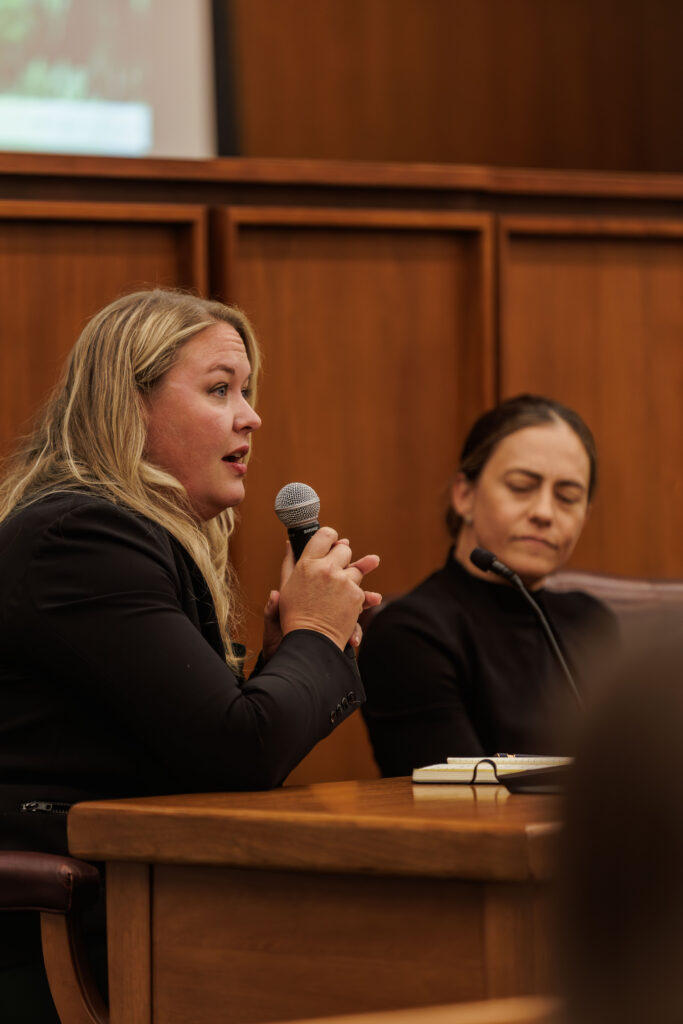
A woman holds a microphone and speaks during the AI in Cancer Surgery and Care Conference
Professor Sara Gerke and other panelists enjoy a reception during the AI in Cancer Surgery and Care Conference
Dr. Rohit Bhargava delivers a keynote address during the AI in Cancer Surgery and Care Conference

New paper from Gerke: FDA needs to develop labeling standards for AI-powered medical devices

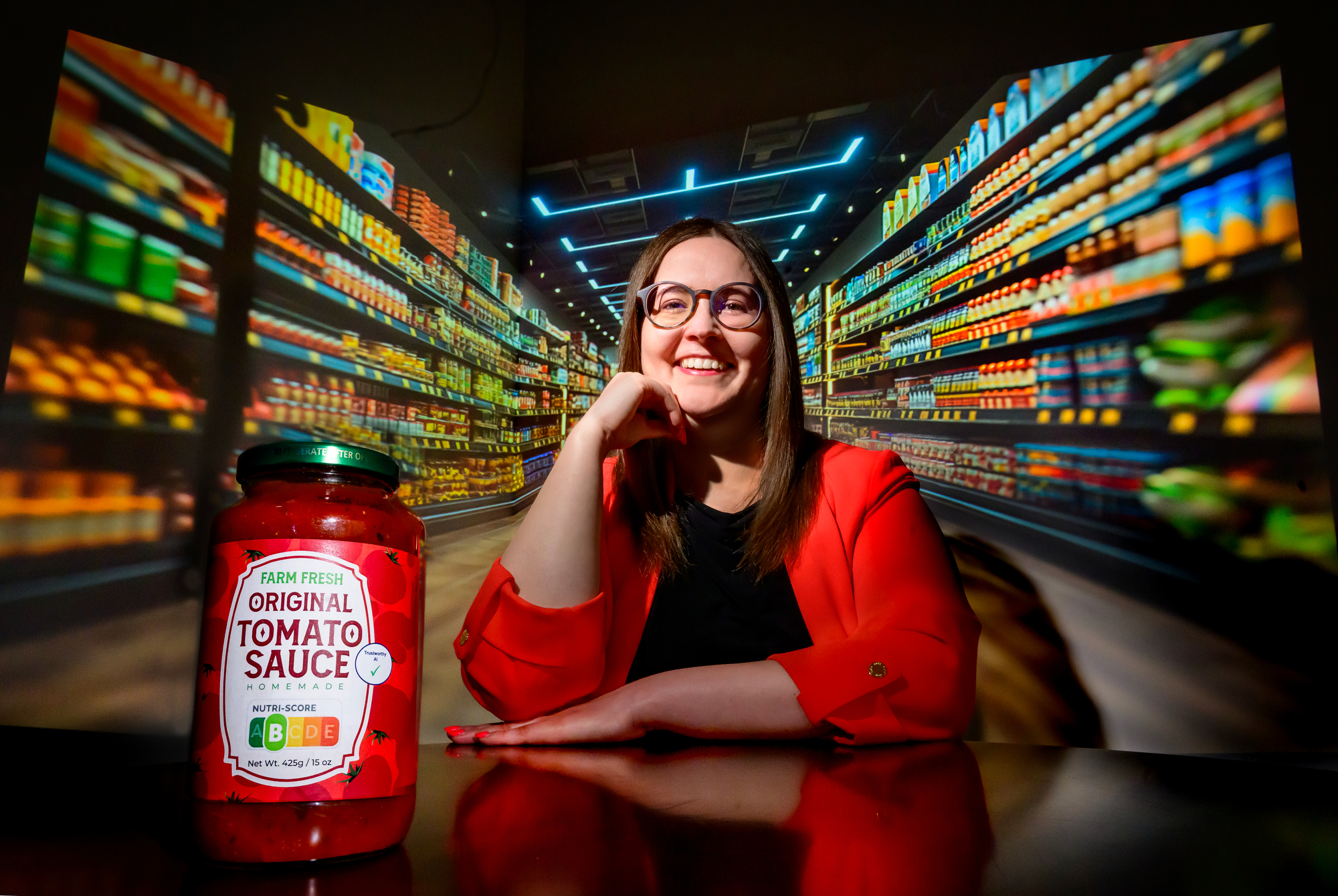
The regulatory framework for artificial intelligence-based medical devices needs to be improved to ensure transparency and protect patients’ health, says Sara Gerke, the Richard W. & Marie L. Corman Scholar at the University of Illinois Urbana-Champaign and expert in the ethical and legal challenges of artificial intelligence for health care. Gerke argues that the Food and Drug Administration should prioritize the development of labeling standards for AI-powered medical devices in much the same way that there are nutrition facts labels on packaged food. 

Gerke spoke to the Illinois News Bureau about her new paper, recently published in the Emory Law Journal, “A comprehensive labeling framework for AI/ML-based medical devices: From AI Facts labels to a front-of-package AI labeling system — Lessons learned from food labeling.”

College of Law
504 East Pennsylvania Avenue
Champaign, IL 61820
(217) 333-0931