Mazzone shares what to watch for in new Supreme Court term

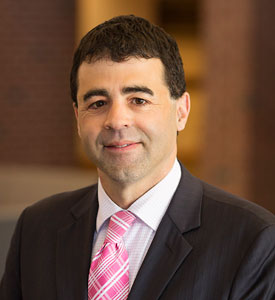
Tariffs, voting rights, conversion therapy—these are a few of the biggest issues that will be debated before the U.S. Supreme Court in their new term, which began in October. Professor Jason Mazzone, writing at the News-Gazette, shares his take on these issues, as well as the Court’s use of the emergency docket. With this term, “the justices are plainly not interested in keeping a low profile,” he writes.

Is flag burning always protected? Amar and Mazzone consider supporting cases

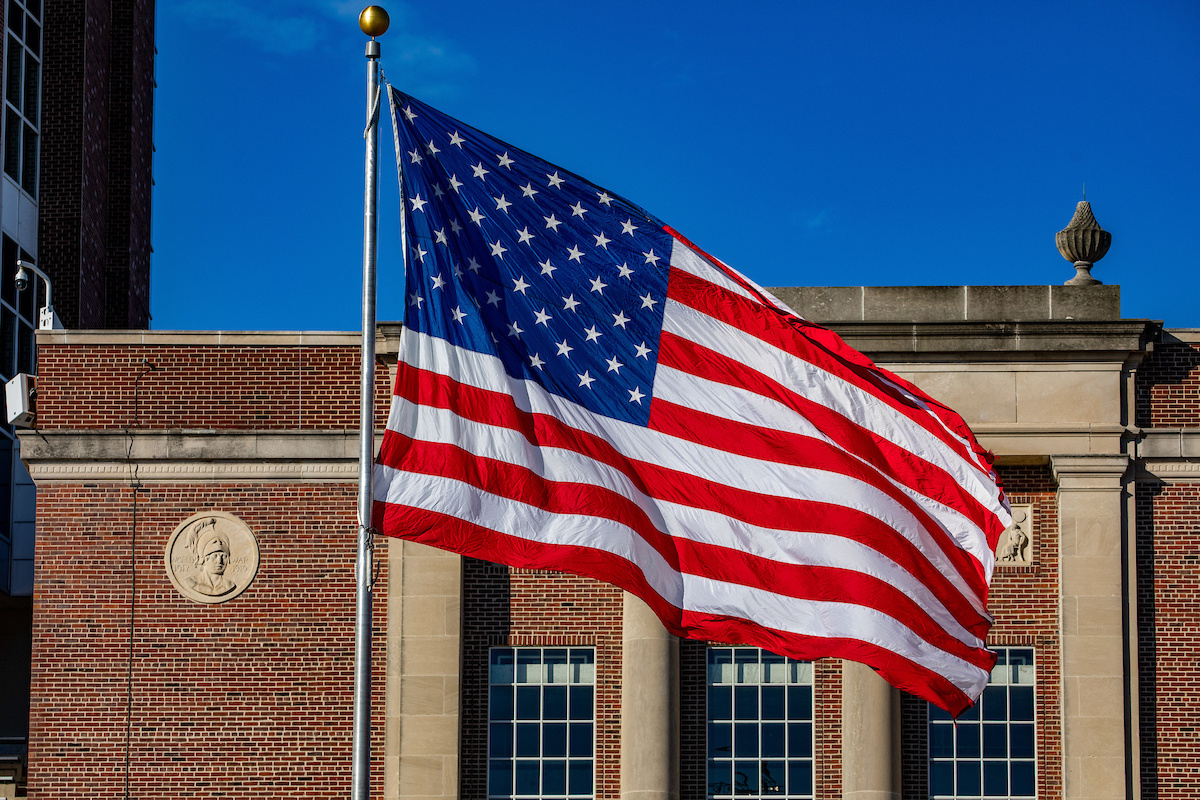
In the wake of an executive order asking the Department of Justice to prioritize enforcement of criminal and civil laws against desecration of the United States flag, Professors Vikram Amar and Jason Mazzone examine some relevant cases decided by the Supreme Court and others. Writing at Justia Verdict, they conclude “singling out flag desecration would remain problematic because flag destruction reflects a particular (albeit somewhat capacious) viewpoint that is undeniably critical of government policy and the status quo.”

Amar and Mazzone weigh in on “cert. before judgment”

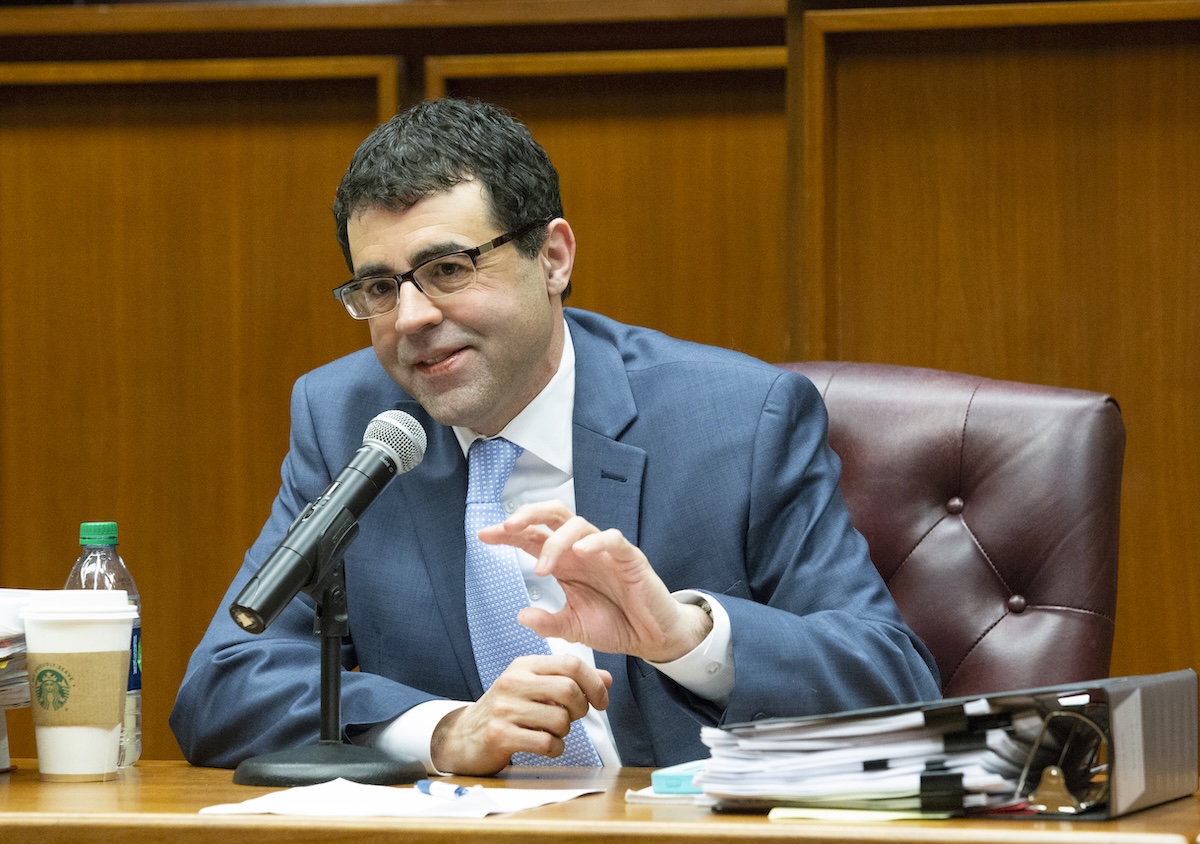
Should the Supreme Court extend its practice of granting “cert. (or certiorari) before judgement,” in which it may rule on the merits after a decision by the district court, but without the benefit of review and judgment by the court of appeals? In a new article at Justia Verdict, Professors Vikram Amar and Jason Mazzone weigh in on the merits of this idea, put forward by Justice Brett Kavanaugh. They consider the possible benefits, as well as drawbacks, such as cutting out appeals courts and minimizing time for scholarly debate and other commentary.

Mazzone explains how SCOTUS order in Louisiana redistricting case could have major implications for Voting Rights Act

Professor Jason Mazzone recently spoke to the Alabama Reflector regarding an order from the U.S. Supreme Court to the parties in a Louisiana redistricting case. The Court asked parties to submit briefs on whether majority-minority congressional districts violate the 14th and 15th amendments to the U.S. Constitution. Experts say the Court may be considering invalidating Section 2 of the Voting Rights Act, which forbids election laws that discriminate based on race, color or membership in language minority groups.

“The case might result in the Court invalidating entirely Section 2 of the VRA on the basis that the Constitution is color blind and it bars race-conscious districting, including when mandated by Congress to remedy historical racial discrimination in voting,” Mazzone said. “Such a result would represent a massive change in election laws and practices with seismic consequences for democratic processes at every level of government.”

Amar and Mazzone revisit core principles of Federalism

In response to protests in Los Angeles and the subsequent responses by local and federal officials, Professors Vikram Amar and Jason Mazzone put their constitutional law expertise to work to take another look at the principles of federalism and why they matter. “To conclude states must agree with the President before any kind of federalized military forces could be used would be to place the safety of federal personnel and federal property at the mercy of state government. As American history suggests, that could be a very dangerous scenario,” they write.

Read the full article on Justia Verdict.

News-Gazette quotes Aronson and Mazzone on student visa restrictions

The Trump administrations stated plans to “aggressively revoke visas for Chinese students” would have an immense impact on the University of Illinois, as the school hosted more than 6,000 individuals from China last year. In a wide-ranging examination of faculty opinions on how damaging this policy may be, the News-Gazette spoke to law professors Lauren Aronson and Jason Mazzone. “I take all threats from this administration seriously,” Aronson, director of the Immigration Law Clinic, said.

Amar and Mazzone pen series on recent Fifth Circuit case

The case of Umphress v. Hall is ripe with teachable moments, and Professors Vikram Amar and Jason Mazzone gladly took the bait in a recent two-part series of articles published at Justia Verdict. The case involves a judge in Texas who is seeking declaratory and injunctive relief from the Fifth Circuit because he refuses to perform same-sex weddings because of his religious convictions. In the first part of the series, Amar and Mazzone examine the “justiciability” of the case; that is, whether a federal court can or should entertain a particular dispute. In part two, the authors examine how the case may be determined and the central question of whether judges may discriminate in officiating a marriage.

Read part 1 and part 2 on Justia Verdict.

Mazzone and Amar publish article on executive orders targeting law firms

Executive orders from the White House targeting law firms have disrupted Big Law firms; however, many firms have negotiated deals with the administration so as to be removed from its blacklist. Professors Jason Mazzone and Vikram Amar write at Justia Verdict that there is not “much doubt that the executive orders are blatant violations of the First and Sixth Amendments to the Constitution,” and that “the law firms collectively would be better off…if none of them settled and the administration’s executive orders were forcefully and repeatedly rebuffed by courts all the way to the Supreme Court.”

Mazzone joins CBS to discuss deportations

The Trump administration’s moves to arrest Columbia University student Mahmoud Khalil and decision not comply with a federal judge’s orders to halt deportation flights raise questions about the rights enumerated in the Constitution as well as its constraints. Professor Jason Mazzone made an appearance on CBS Chicago to share his expertise on how constitutional law can be applied to these situations.

Amar and Mazzone defend birthright citizenship clause

Writing at Justia Verdict, Professors Vikram Amar and Jason Mazzone describe the Fourteenth Amendment as perhaps the most important piece of law enacted anywhere in the world over the last two centuries. In their defense of the birthright citizenship clause, the authors suggest that criticisms of the clause in support of President Trump’s executive order seeking to end the practice are doing “absolute violence to the words of the Clause.”

College of Law
504 East Pennsylvania Avenue
Champaign, IL 61820
(217) 333-0931