Aronson and Curtis selected for OpEd Project Public Voices Fellowship

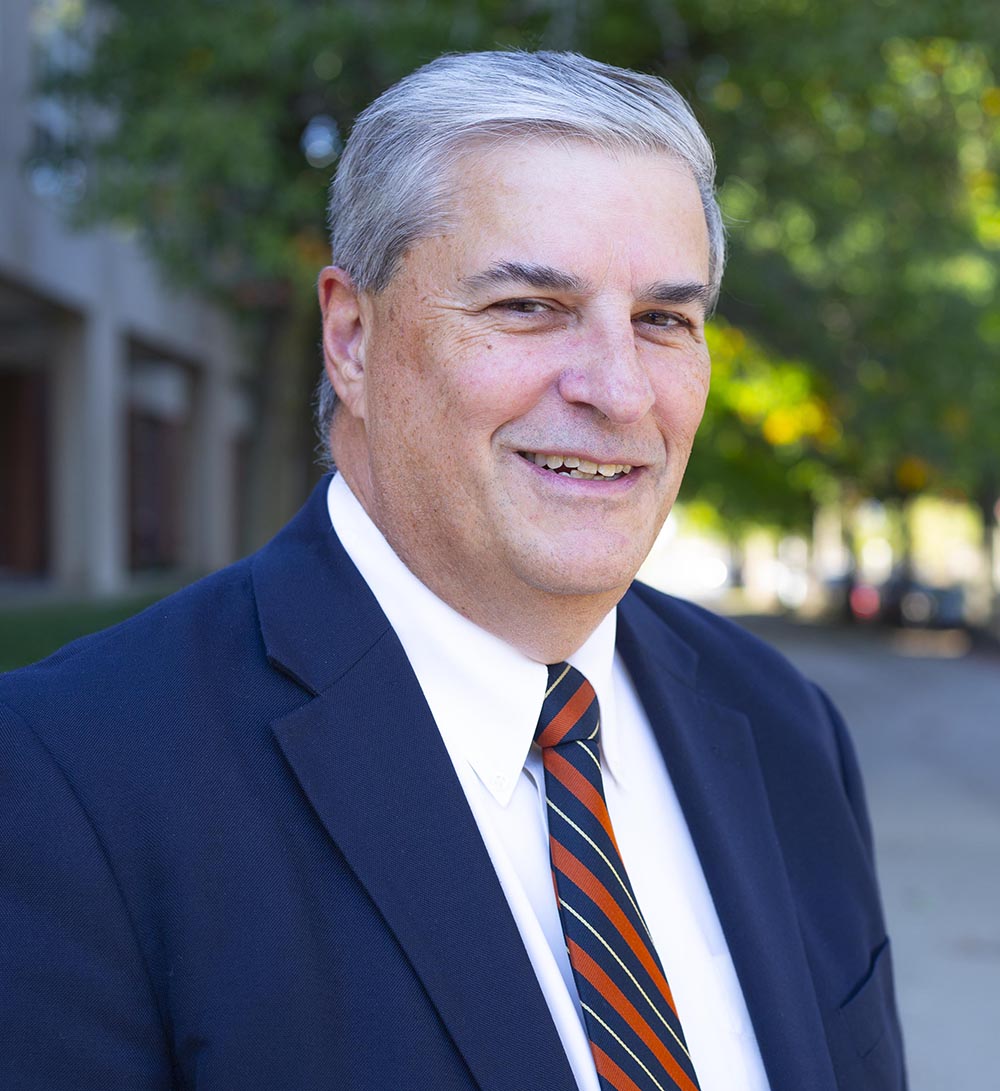
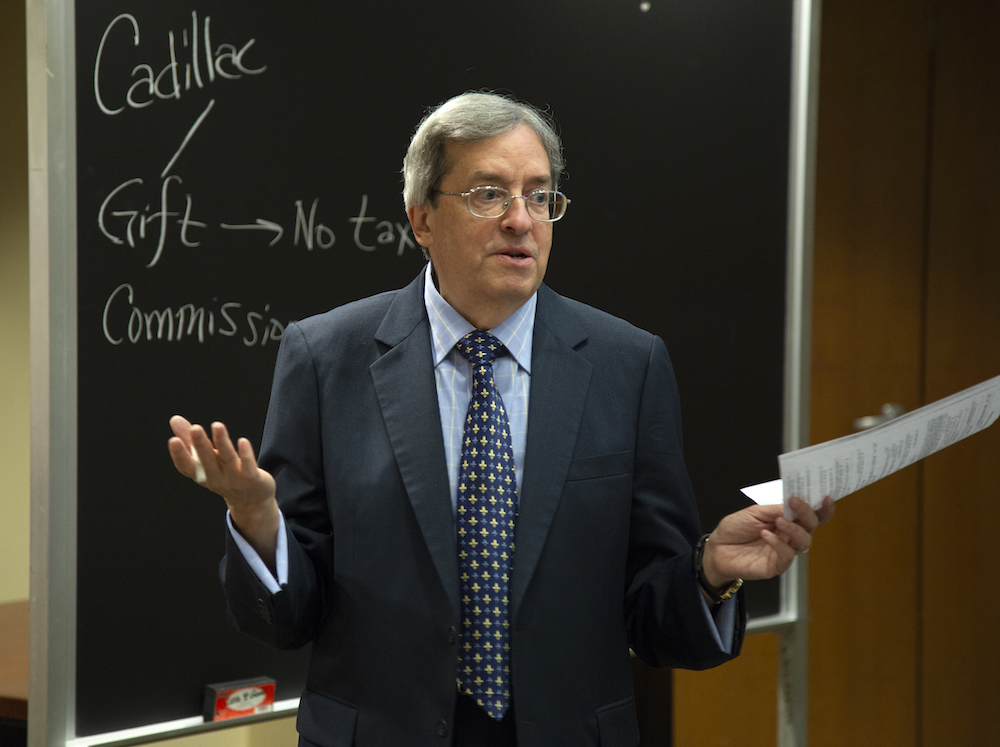
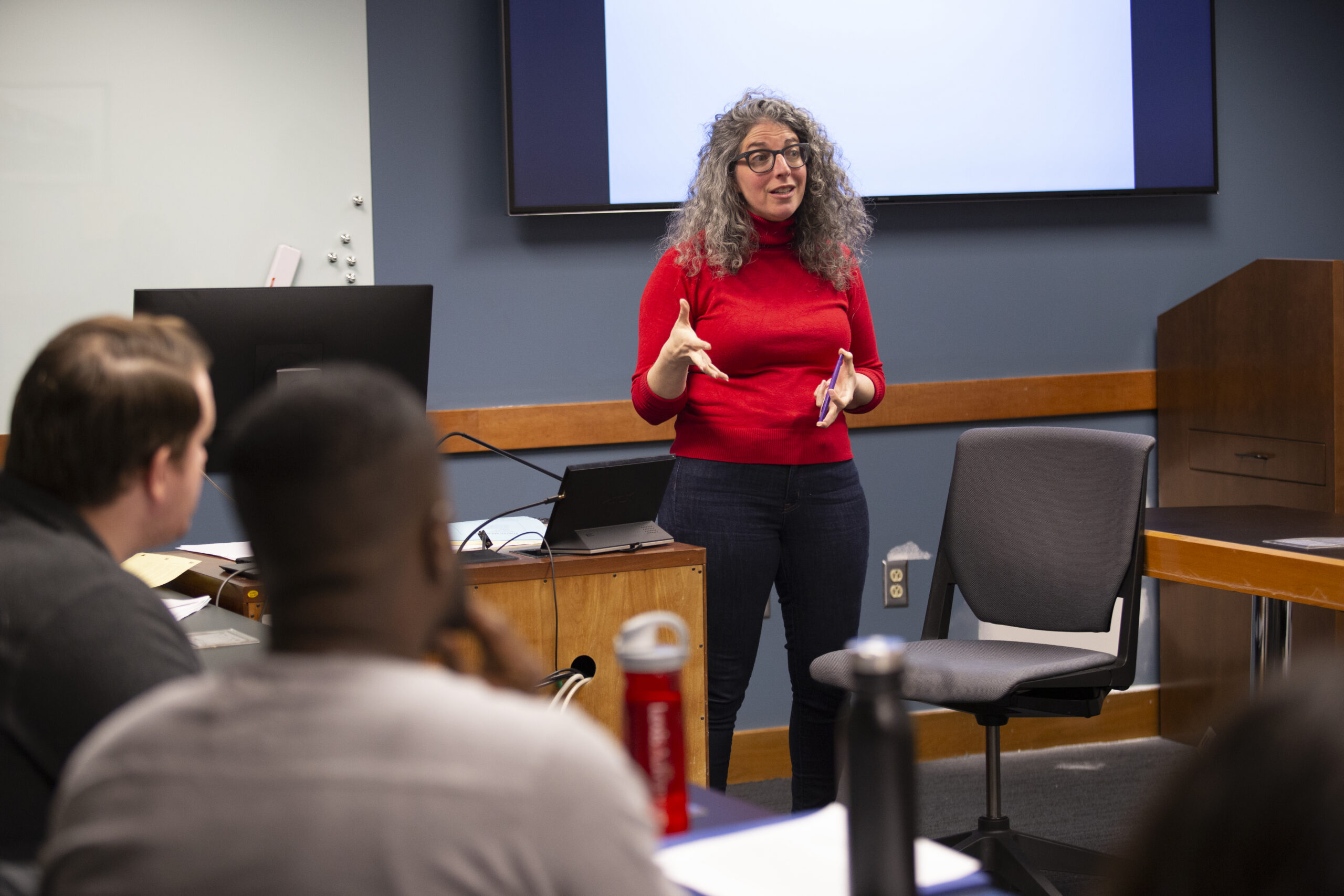
Professors Lauren Aronson and Yulanda Curtis have been selected for the University of Illinois System OpEd Project/Public Voices Fellowship. The program is part of a national initiative to help faculty amplify their expertise in ways that can contribute to public conversations about pressing issues.

The 20 faculty members in the 2025-26 cohort will attend four sessions during the 2025-26 academic year and will be paired with a journalism mentor who provides one-on-one editing and coaching. Fellows will publish two or more op-ed pieces during the program.

Congratulations to all of the faculty who were selected for this year’s program:

Chicago

  • Veerasathpurush Allareddy, professor and department head of orthodontics, College of Dentistry
  • Daylan Dufelmeier, director, Office of Community Engagement and Neighborhood Health Partnerships
  • Giamila Fantuzzi, professor and associate head, department of kinesiology and nutrition, College of Applied Health Sciences
  • Jeni Hebert-Beirne, professor, Division of Community Health Sciences, School of Public Health

Springfield

  • Akash Belsare, assistant professor, department of English and modern languages

Urbana-Champaign

  • Luvell Anderson, professor, department of philosophy, College of Liberal Arts and Sciences
  • Lauren Aronson, clinical professor, director of Immigration Law Clinic, College of Law
  • Jose Atiles, assistant professor, department of sociology, College of Liberal Arts and Sciences
  • Maria Bonn, associate professor and director, master of science in library and information science, School of Information Sciences
  • Yulanda Curtis, clinical professor, College of Law
  • Verena Erlenbusch-Anderson, associate professor, department of philosophy, College of Liberal Arts and Sciences
  • Rachel Hoopsick, assistant professor, department of health and kinesiology, College of Applied Health Sciences
  • Kathryn Huff, associate professor, department of nuclear, plasma, and radiological engineering, and director of advanced reactors and fuel cycles group, The Grainger College of Engineering
  • Fatima Husain, professor, department of speech and hearing science, and associate dean, College of Applied Health Sciences
  • Martin Persson, assistant professor, department of accountancy, Gies College of Business
  • Mary Phillips, associate professor, department of African American studies, College of Liberal Arts and Sciences
  • Koustuv Saha, assistant professor, department of computer science, Siebel School of Computing and Data Science
  • Bobby Smith II, associate professor, department of African American studies, College of Liberal Arts and Sciences
  • Haileleol Tibebu, assistant professor, School of Information Sciences
  • Travis Wagner, assistant professor, School of Information Sciences

Illinois LawCast: Discussing Debt’s Grip with Professor Robert Lawless

We kick off season two with an engrossing conversation with Professor Robert Lawless about his new book, Debt’s Grip: Risk and Consumer Bankruptcy. The book explores financial precarity in the United States and utilizes original data from the Consumer Bankruptcy Project, including the words of bankruptcy filers themselves to shed light on their situations. Professor Lawless shared insight into how he began his work on this project, how the book came about, and how the research has helped him as a teacher at Illinois Law.

For more information about Debt’s Grip, including ways to purchase the book, please visit the publisher’s website: https://www.ucpress.edu/books/debts-grip/paper

If you have comments or suggestions for the podcast, please contact podcast@law.illinois.edu.

Wilson witnesses bill she provided written testimony for be signed into law at Wisconsin State Capitol

On Friday, August 8, 2025, Professor Robin Fretwell Wilson had the privilege of attending the signing of bill SB 14 at the Wisconsin State Capitol, making Wisconsin the 29th state to afford patients respect in medical teaching. Wilson filed written testimony in May that was used in both Wisconsin Senate and Assembly hearings surrounding the bill, wherein she advocated for written, informed consent for educational pelvic exams. Wilson is pictured with Wisconsin Governor Tony Evers and Wisconsin patient advocate Sarah Wright. Wilson says that her Illinois Law students have benefitted from Sarah’s commitment to this cause, as she has guest lectured in class and will be returning again this fall to discuss the passage of SB 14 with Wilson’s students.

Mazzone explains how SCOTUS order in Louisiana redistricting case could have major implications for Voting Rights Act

Professor Jason Mazzone recently spoke to the Alabama Reflector regarding an order from the U.S. Supreme Court to the parties in a Louisiana redistricting case. The Court asked parties to submit briefs on whether majority-minority congressional districts violate the 14th and 15th amendments to the U.S. Constitution. Experts say the Court may be considering invalidating Section 2 of the Voting Rights Act, which forbids election laws that discriminate based on race, color or membership in language minority groups.

“The case might result in the Court invalidating entirely Section 2 of the VRA on the basis that the Constitution is color blind and it bars race-conscious districting, including when mandated by Congress to remedy historical racial discrimination in voting,” Mazzone said. “Such a result would represent a massive change in election laws and practices with seismic consequences for democratic processes at every level of government.”

Kar publishes new article in Harvard Journal of Law & Technology

Professor Rob Kar has published “The Contractual Death and Rebirth of Privacy” in the Harvard Journal of Law & Technology. Co-authored with Xiaowei Yu, the abstract follows:

This Article proposes, for the first time, the application of “shared meaning analysis” — a method of contract interpretation grounded in traditional contract principles, as developed in Pseudo-Contract and Shared Meaning Analysis, 132 HARV. L. REV. 1135 (2019) (“PseudoContract”) — to online privacy policies. The method identifies when policy text adds enforceable terms to a contract, as opposed to mere unenforceable boilerplate, addressing an underappreciated paradigm slip in contract law that is enabling widespread digital surveillance. Consumers routinely click “I agree” to online privacy policies — which purport to permit cookies, other tracking devices (like pixels and SDKs), and AI-driven data analysis — without reading or comprehending their text, leading to massive transfers of personal information that erode privacy, facilitate consumer and political manipulation, and threaten freedom and democracy. Critiquing the binary debate over whether online privacy policies are contracts at all, this Article argues for a more nuanced reform: courts, operating within their common law authority, should revive privacy by focusing contract interpretation on the shared meanings of any contracts over privacy formed in digital contexts. Through examples involving policy scope, unilateral modifications, and conflicts between shared meaning and deceptive boilerplate, this Article demonstrates how contract interpretation — once returned to its rightful focus on shared meaning — can be used to counter modern surveillance harms without requiring new legislation, complementing other privacy frameworks and restoring the proper moral relationship between contract and privacy.

Research: Police uses of lethal force dropped dramatically in US from 2021-23

The number of police-involved lethal force incidents in the U.S. dropped 24% from 2021 to 2023, according to the Cline Center for Advanced Social Research and an interdisciplinary team of University of Illinois Urbana-Champaign experts, including College of Law professor Jennifer Robbennolt, who have developed a nationwide registry on the uses of lethal force by police officers in the U.S. 

The Cline Center’s SPOTLITE project has compiled nearly a decade’s worth of data to track and identify police uses of lethal force across the U.S.

“SPOTLITE remains a work in progress. We have compiled data up through 2023 so far, but we’re not done yet,” Robbennolt said. “We’re actively looking for funding to bring SPOTLITE data up to the present, with national data that can be released in nearly real time, and with a level of detail that helps to inform research and conversations about policing across the country.”

Thomas speaks about significant developments in employment law at National Employment Lawyers Association Annual Convention

Earlier this summer, Professor Suja Thomas participated in a panel at the National Employment Lawyers Association (NELA) Annual Convention. Thomas and her co-presenters led a discussion on the employment cases decided by the Supreme Court during its 2024-25 term; significant appellate court, legislative, and state law developments; and emerging issues in plaintiffs’ employment law.

New paper from Gerke: FDA needs to develop labeling standards for AI-powered medical devices

The regulatory framework for artificial intelligence-based medical devices needs to be improved to ensure transparency and protect patients’ health, says Sara Gerke, the Richard W. & Marie L. Corman Scholar at the University of Illinois Urbana-Champaign and expert in the ethical and legal challenges of artificial intelligence for health care. Gerke argues that the Food and Drug Administration should prioritize the development of labeling standards for AI-powered medical devices in much the same way that there are nutrition facts labels on packaged food. 

Gerke spoke to the Illinois News Bureau about her new paper, recently published in the Emory Law Journal, “A comprehensive labeling framework for AI/ML-based medical devices: From AI Facts labels to a front-of-package AI labeling system — Lessons learned from food labeling.”

The College of Law welcomes Eric Baudry and Sarah Lawsky to faculty

The University of Illinois College of Law is proud to welcome Eric Baudry and Sarah Lawsky as new faculty members this fall. Baudry joins as an assistant professor of law with a specialty in tax law, poverty, and redistribution; Lawsky will serve as the L.B. Lall and Sumitra Devi Lall Professor of Law and the co-director of the Innovation Law and Technology Program.

“I’m really excited about joining the law school here because of the vibrant intellectual life among the faculty,” Lawsky said. “The University of Illinois is such an incredible institution, and the opportunity to do interdisciplinary work here at the law school with the other parts of this university is really exciting.”

Lawsky comes to Illinois having previously taught at George Washington University Law School, UC Irvine School of Law, and, most recently, at Northwestern Pritzker School of Law. Her work focuses on computational law, with a focus on formal methods and the formalization of tax law. As part of the Innovation Law and Technology Program, she hopes to continue her work in conjunction with experts from the Siebel School of Computing and Data Science and the School of Information Sciences as well as others. At the College of Law, Lawsky will be teaching contracts and federal income tax courses, aiming to meet the existing high standards of the law school.

“Illinois has an amazing tax professor in Dick Kaplan, who’s terrific. My goal is to try to match the very high level of quality of tax instruction that he has established,” she said.

Also an expert in tax law, Baudry comes to Illinois Law with experience as a clerk in the Eastern District of Michigan and the Ninth Circuit, a Skadden Fellow at Mid-Minnesota Legal Aid, and a faculty fellow at the University of Michigan Law School. He will teach income taxation, corporate taxation, and a seminar on the intersections of taxation and poverty.

“I’m interested in planting roots in this community, both as a person who lives in Champaign and as a tax scholar who cares about inequality in our community. Specifically, I’m interested in how residents experience impoverishment and how our local and state governments can use tax law as a vehicle to help improve the lives of their citizens” Baudry said. “My long-term goal as a professor would be to bring that work into the law school.”

Both Lawsky, who has spent the last nine years at Northwestern, and Baudry, a native Minnesotan, expressed their excitement to be a part of Illinois Law and the local community. Having a son in the state university system gave Lawsky an idea what to expect, and she says she’s eager to “learn what it means to be a part of the University of Illinois system.” Baudry shared his enthusiasm to talk to students, alumni, and faculty about his professional expertise as well as his personal passion for games.

“Getting to know the faculty and the staff and the spaces at Illinois Law, I immediately felt like this is a place that would push me to be my best, while also offering fantastic resources and supports for my journey to get there,” he said.

The College of Law is pleased to welcome Baudry and Lawsky to the faculty and looks forward to their accomplishments as part of the University of Illinois.

College of Law
504 East Pennsylvania Avenue
Champaign, IL 61820
(217) 333-0931