Sherkow to speak about indirect patent infringement at 15th Waseda-Penn Global Patent Law Conference

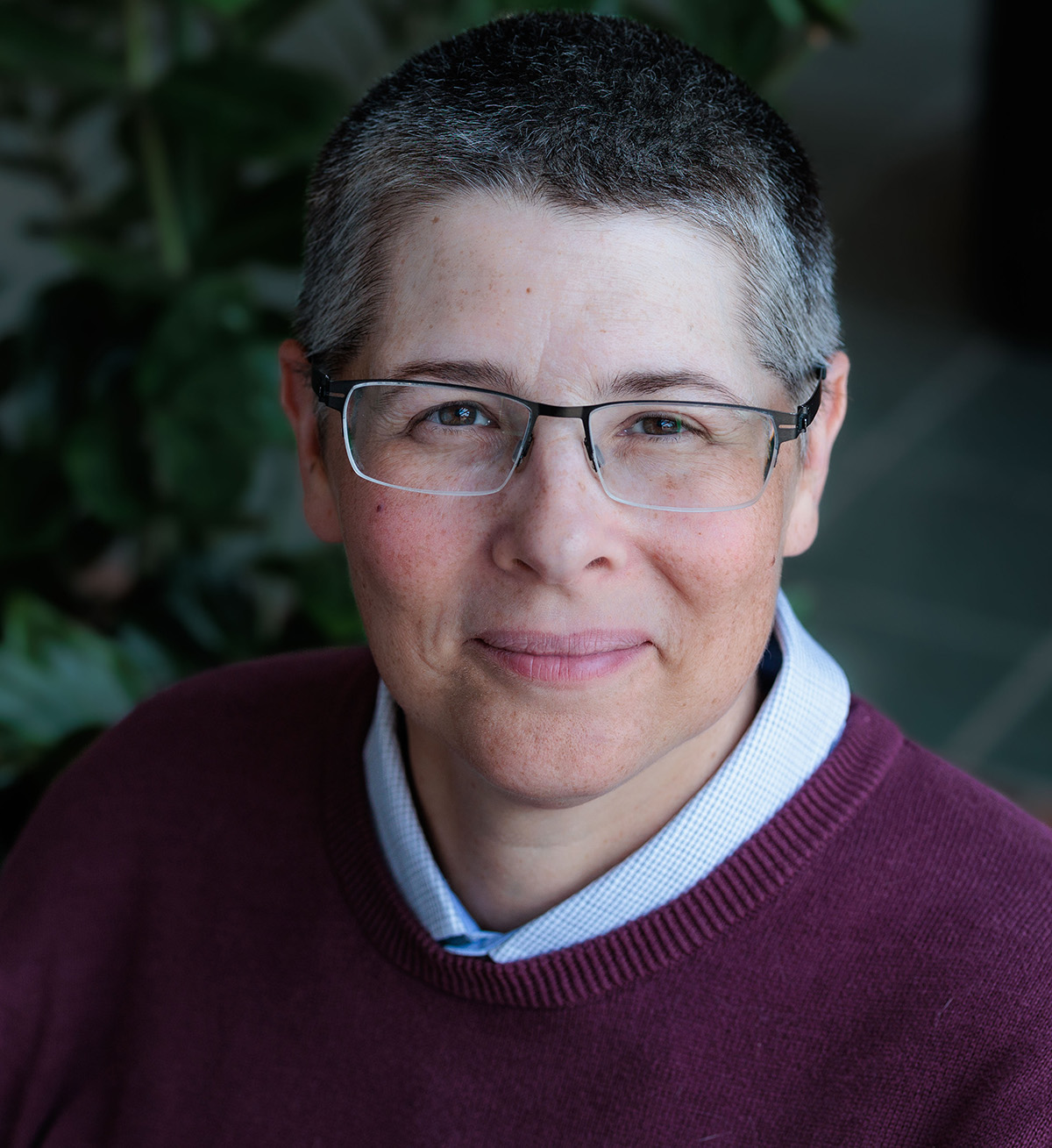
On Monday, June 1, Professor Jacob Sherkow will deliver a lecture at the 15th Waseda-Penn Global Patent Law Conference in Japan. His talk will introduce the fundamentals of indirect patent infringement under U.S. law, with a focus on inducement doctrine under 35 U.S.C. § 271(b). Drawing on recent litigation and scholarship — including the “infringement by label” debate highlighted in the Supreme Court case Hikma v. Amarin — the talk will critically examine how current case law risks expanding inducement liability beyond its traditional requirement of active encouragement and causation. In doing so, the lecture will highlight broader questions about the proper limits of indirect infringement and the role of regulatory contexts in shaping liability—issues that also resonate in ongoing Japanese debates on the scope and structure of secondary patent liability.

New paper from Lawsky: “Constructing Deductions”

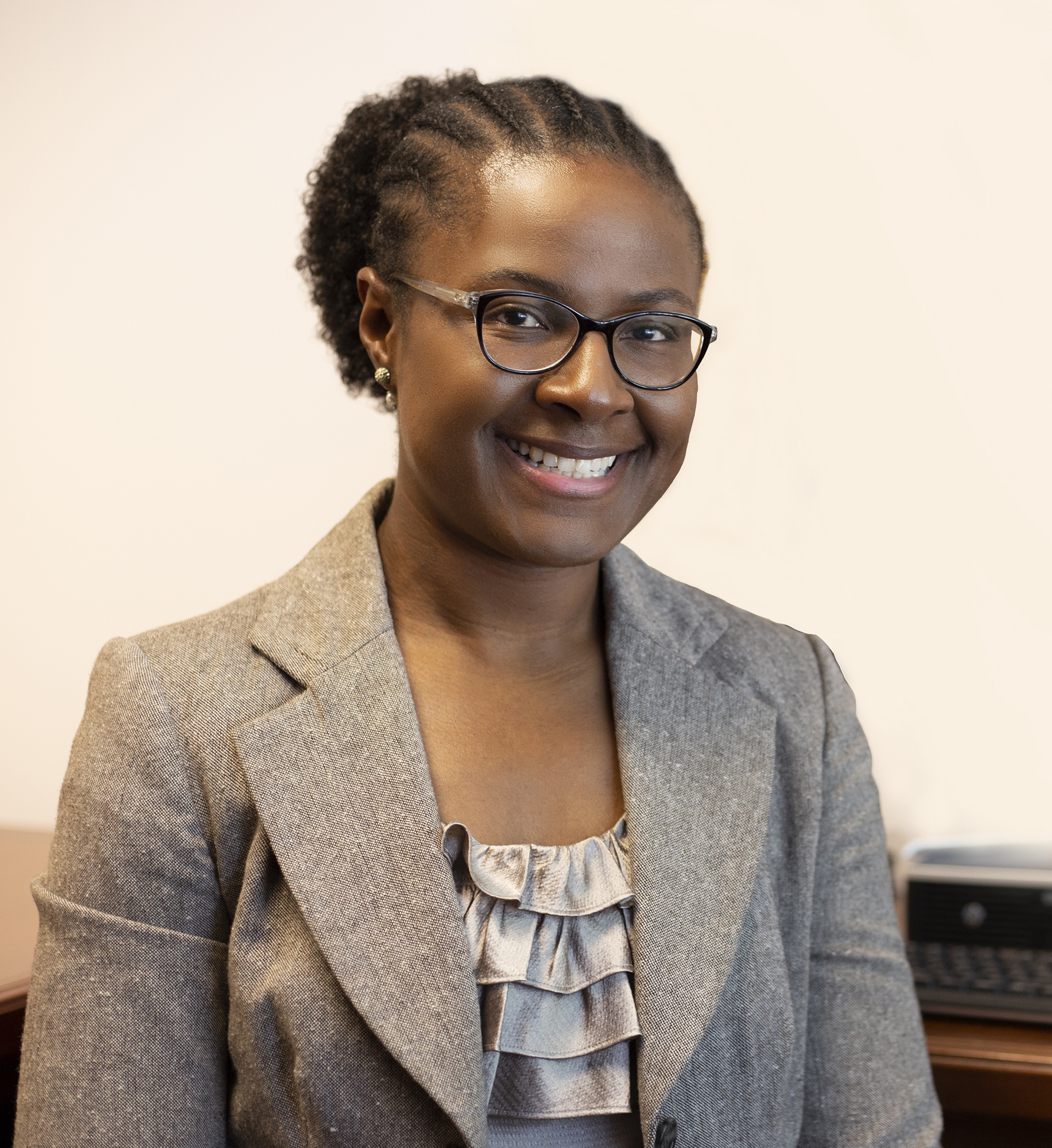
Professor Sarah Lawsky, along with co-author Leandra Lederman, published the paper “Constructing Deductions” on SSRN.com. The abstract follows:

This Essay identifies drafting “building blocks” that are present in the Internal Revenue Code and that are used to construct many of the deductions available to individuals. The Essay represents these building blocks using mathematical formulas and graphically, and it then shows how the building blocks are combined to create complex deductions. These formalizations and visualizations yield insight into statutory drafting choices. They also reveal “negative space”–that is, ways that federal income tax deductions could be drafted but are not.

Gerke publishes article in prominent gastroenterology journal about human deskilling in medical AI

In a new co-authored article for Nature Reviews Gastroenterology & Hepatology, Professor Sara Gerke explores the risks of “deskilling” for physicians as the use of AI proliferates in the practice of medicine. Gerke and her co-authors also explore whether such systems violate the European Union Artificial Intelligence Act, the world’s first comprehensive regulatory framework on artificial intelligence.

J. Ross book reviewed in American Journal of Comparative Law

The book “Making Sense of Youth Crime: A Comparison of Police Intelligence in the United States and France,” co-authored by Jacqueline Ross and Thierry Delpeuch, was recently reviewed in the American Journal of Comparative Law. The reviewer offers high praise, stating, “One cannot fail to appreciate the brilliant achievements of Ross and Delpeuch. This book clearly conveys the complexity of a constructive reform proposal, intended to promote the analytical and effective use of intelligence-led policing through a variety of intelligence regimes, particularly in response to composite and persistent forms of crime.”

Mazzone weighs in on lawsuit brought by an Illinois judge against justices of the Illinois Supreme Court

Writing for Justia Verdict, UC Davis Law professor Vikram David Amar and Illinois Law professor Jason Mazzone discuss the federal lawsuit brought by former Illinois judge James Brown against the Justices of the Illinois Supreme Court following his removal from a temporary recall appointment. Professors Amar and Mazzone argue that while judicial immunity likely bars the plaintiff’s claims for monetary damages, the case presents complex, unresolved questions regarding the application of First Amendment speech protections to judicial appointments and the extent to which states may manage their own judiciaries.

Lawless speaks to New York Times about Spirit Airlines shutdown

After struggling financially for years and failing to secure a government bailout, Spirit Airlines announced that it would begin the process of shutting down in early May. Investors were strongly opposed to the government bailout, especially those that had made Spirit debtor-in-possession loans. Such loans have high interest rates, and the investors who own them are paid back before other creditors. The investors also have the right to object to changes, including new loans, that could hurt their interests.

Speaking to the New York Times, bankruptcy expert and professor Bob Lawless compared the rights of these lenders to an oft-cited metaphor of hikers standing on a hill. “The new lender says, ‘We’re on this mountain trail, and there’s plenty of room for you to go out and stand out there closer to the edge of the cliff,’” Lawless said. “And the existing lender has a good response, which is that if there’s so much room, why don’t you go stand out there?”

Gerke: Autonomous AI-based drug prescribing rife with potential problems

A first-of-its-kind pilot program in Utah developed by a health-technology startup company uses artificial intelligence to automatically renew certain prescriptions for patients with chronic conditions such as hypertension and diabetes. But according to a new paper co-written by a University of Illinois Urbana-Champaign expert in legal issues surrounding cutting-edge medical technology, autonomous AI-based drug prescribing raises important clinical and legal issues.

With AI rapidly being deployed in health care, a “move fast and break things” mentality has permeated the industry, raising complex questions about the role of the U.S. Food and Drug Administration in regulating these technologies, says Sara Gerke, the Richard W. & Marie L. Corman Scholar at the College of Law.

“The big issue here is the relationship between state and federal law, which we’re seeing in Utah, where the state has become a testing ground for so-called AI sandboxes that companies can use to experiment,” said Gerke, also a professor at the European Union Center at Illinois. “The idea behind it is to test these AI medical tools before they are completely developed. But even that is legally questionable. The existence of mitigation agreements and waivers under state law doesn’t automatically render the use of unproven medical technology lawful at the federal level.”

Immigration Law Clinic selected by ISBA for the 2026 John E. Thies Excellence in Legal Education Award

The Illinois State Bar Association (ISBA) has named the University of Illinois College of Law Immigration Law Clinic as one of the recipients of the 2026 John E. Thies Excellence in Legal Education Award. The award recognizes law school programs that emphasize real world skills for law students. The clinic will be honored at the ISBA Member Appreciation and Recognition Reception on Thursday, May 14 at the Morton Arboretum.

Kaplan says Trump’s recent remarks about pulling back on federal funding of Medicare are result of “fundamental misunderstanding” of how the program works

According to the New York Sun, President Trump suggested during remarks at a private luncheon that the federal government may no longer support essential care programs and that states should instead rely on state-level funding to do so.

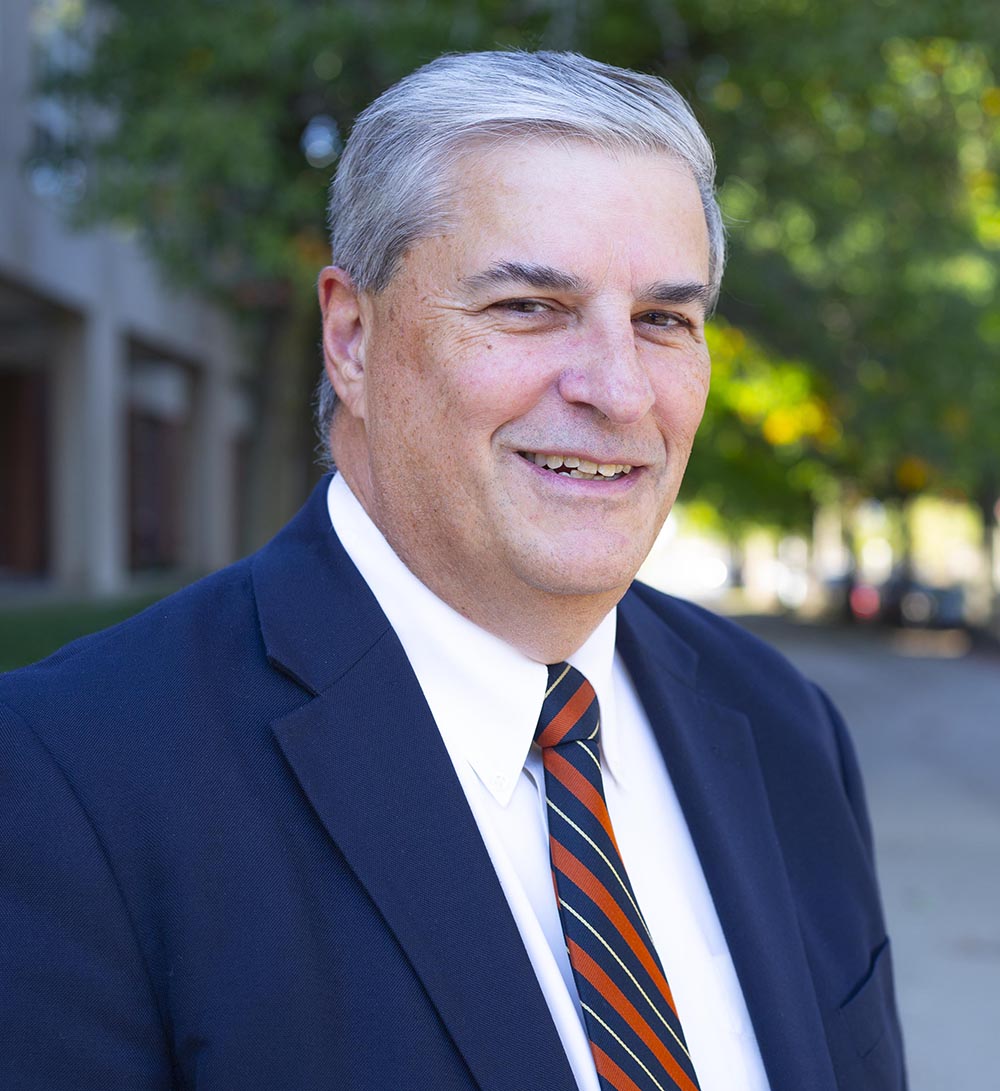
Professor and tax law expert Richard Kaplan says that the president’s remarks about Medicare, in particular, rest on a fundamental misunderstanding of how the program is financed.

“Medicare is almost entirely funded by the federal government through payroll taxes paid by almost all employees, the great majority of self-employed persons, and most employers; premiums paid by program enrollees; and general federal funds,” Kaplan said. “States have no role of any consequence.”

College of Law
504 East Pennsylvania Avenue
Champaign, IL 61820
(217) 333-0931