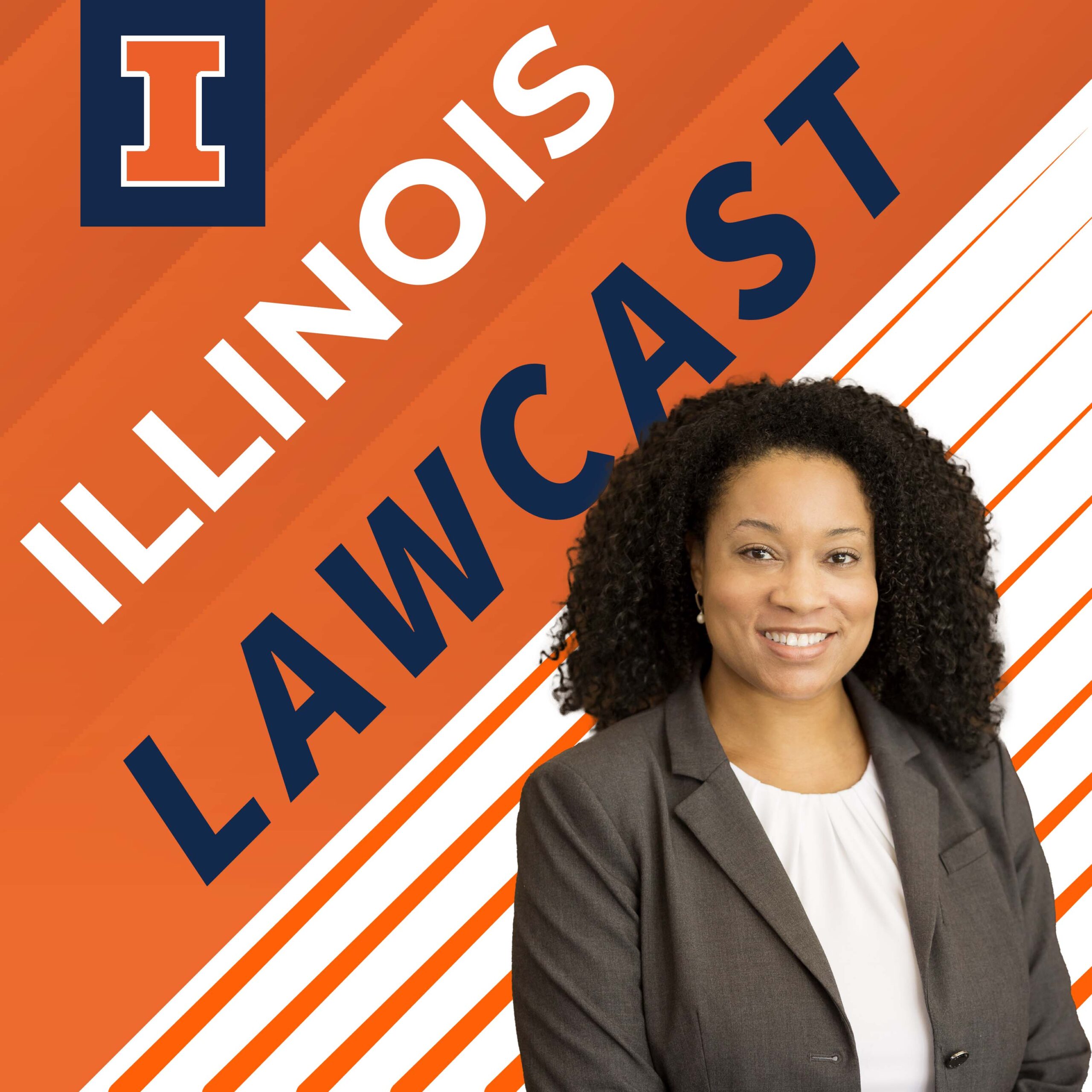
Illinois LawCast: Work experiences with Sarah Shamsi and Alex Bailey

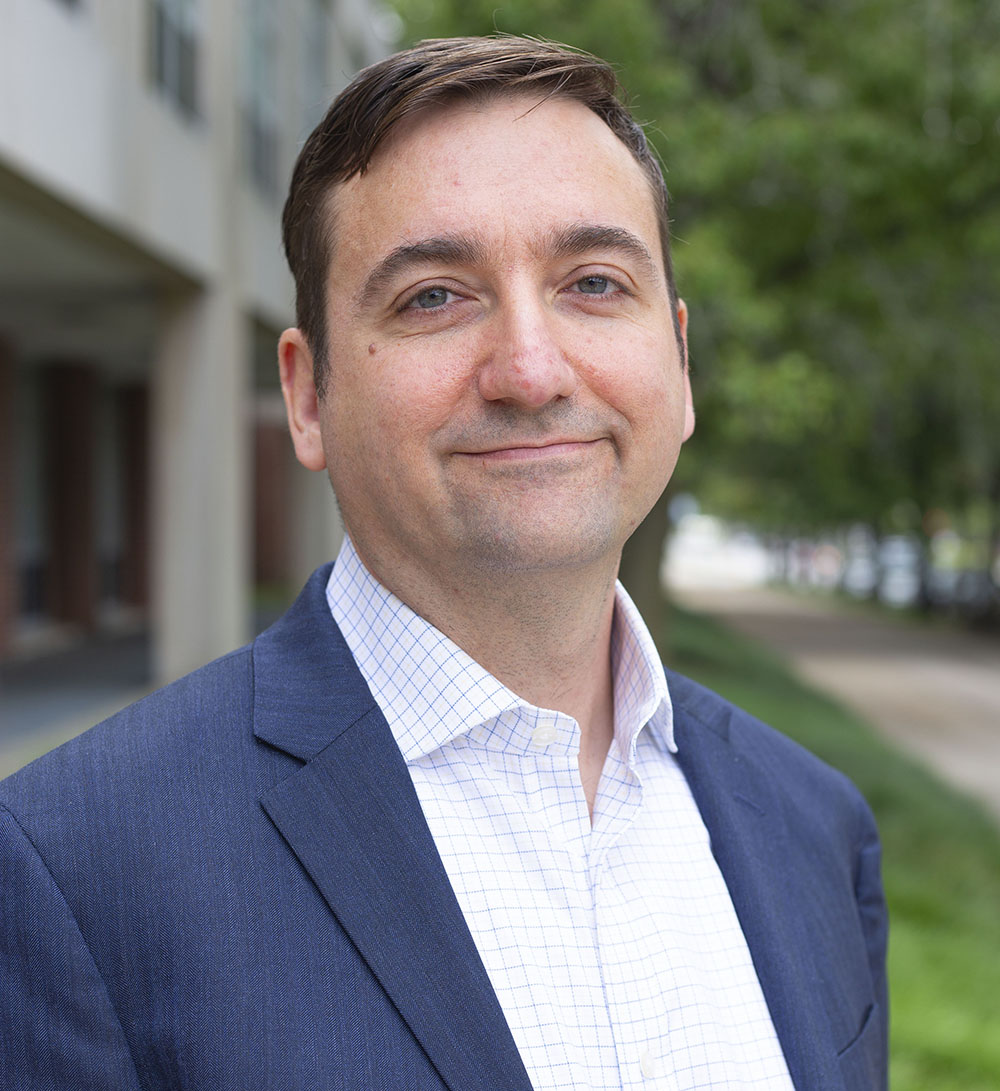
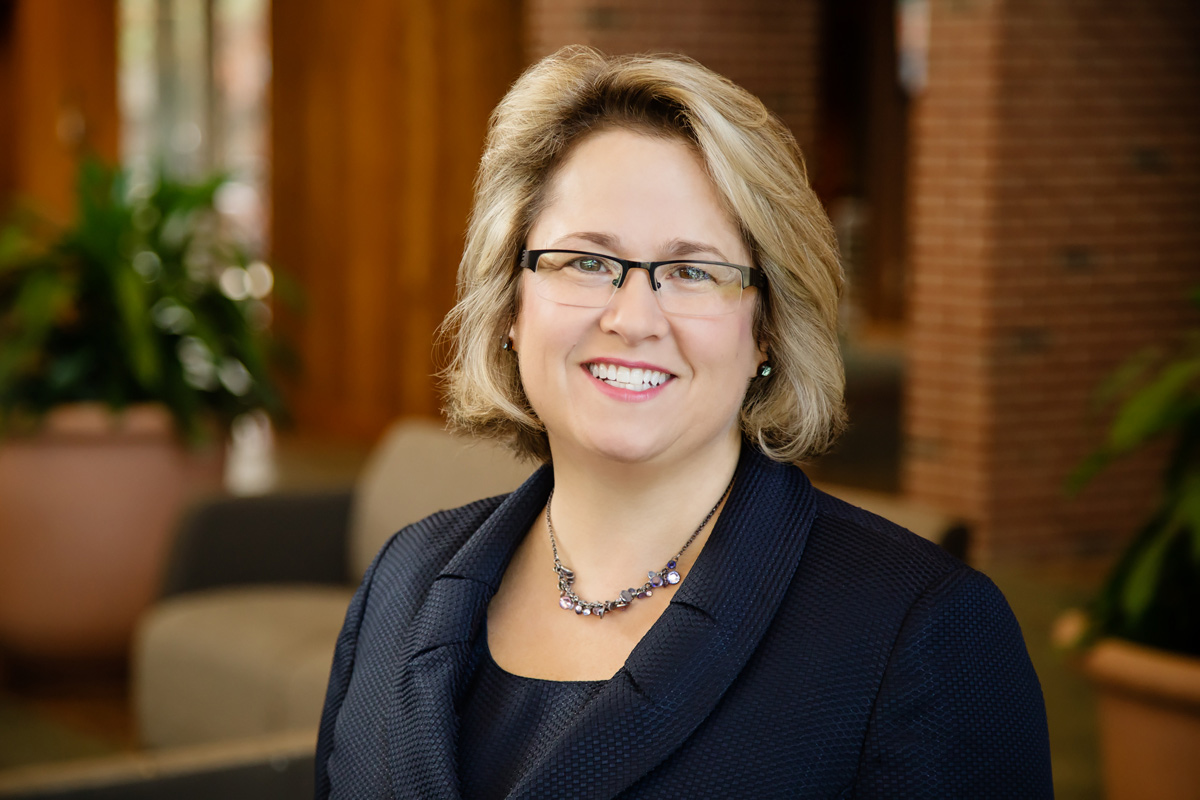
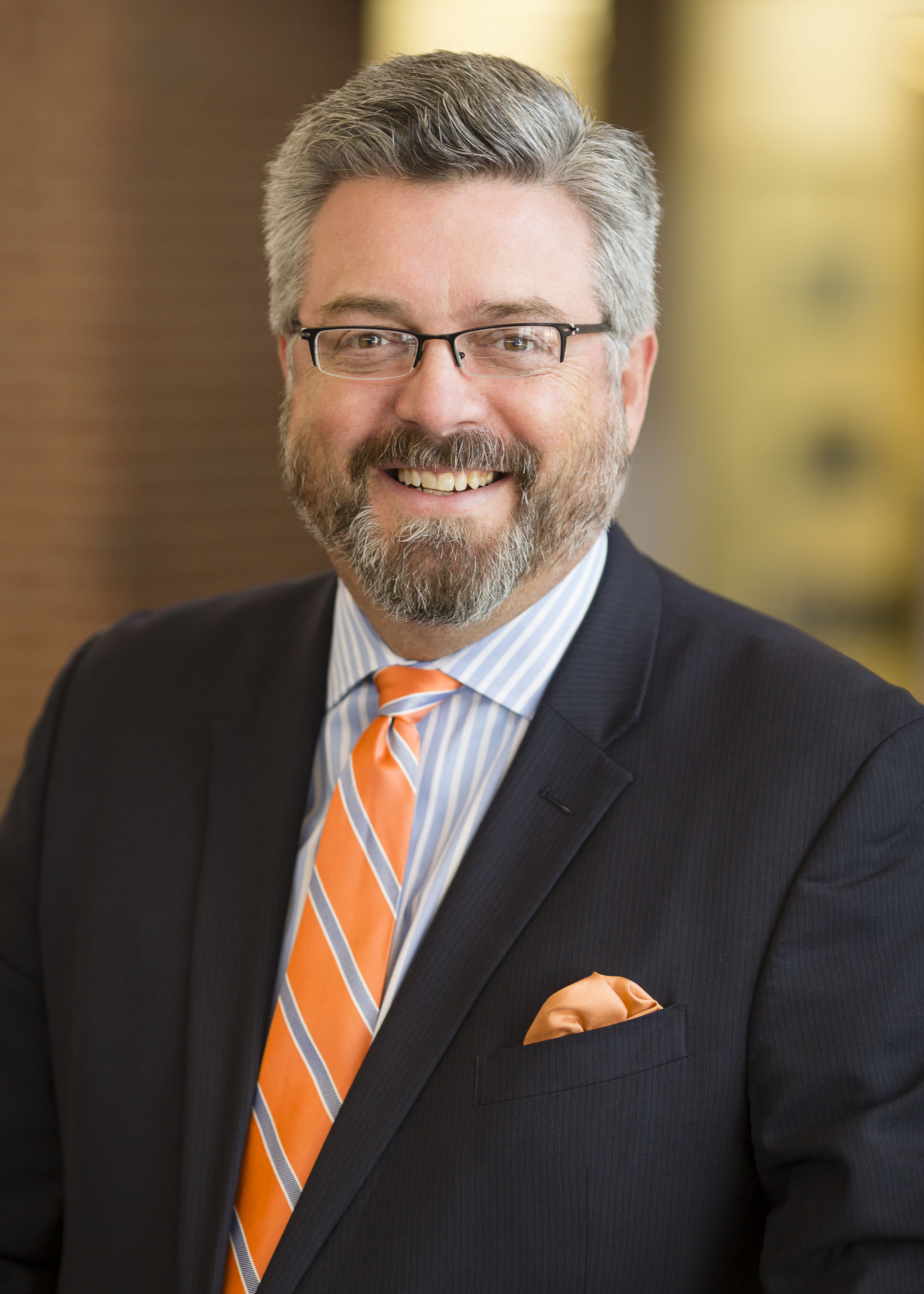
The debut episode of the Illinois LawCast explores some of the work experiences open to current students and recent graduates. Guests for this discussion are Sarah Shamsi, a rising 3L student who spent her summer externing as a law clerk with the City of Chicago, and Alex Bailey, a 2023 graduate who has been a judicial law clerk in the Southern District of Indiana for the past year. Both guests had great stories and reasons why they are grateful to have had these experiences.

If you have any questions or comments, please email us at podcast@law.illinois.edu.

STAT quotes Sherkow on pharmaceutical patents

The practice of using “patent thickets,” which allow pharmaceutical companies to delay low-cost generic medicines reaching the market, is being targeted by a rule change proposed by the U.S. Patent and Trademark Office. The change would reduce the number of terminal disclaimers, an important part of patent thickets, which offers the potential to speed the entry of generic drugs to the market, Professor Jacob Sherkow explained to STAT. He cautioned, however, that companies may still find clever ways to skirt the rules.

Deseret News published op-ed from Wilson on Right to Contraception Act

Since the Supreme Court’s decision in Dobbs, there has been a concerted effort among lawmakers to codify the right to access contraception. This manifested itself this summer in Senate Bill 4381, which Professor Robin Wilson says is “a worthy legislative endeavor,” with the caveat that “it needs to be done with sensitivity to our constitutional design.” In her opinion article, published in the Deseret News, she suggests that this is a great chance for Congress to come together in a bipartisan fashion to create a good piece of legislation.

Keenan co-authors Tribune op-ed on international arrest warrants

Writing with Leila Sadat of Washington University, Professor Patrick Keenan argues President Biden has been misguided in his criticism of arrest warrants issued by the International Criminal Court for alleged war crimes and crimes against humanity in Israel and Gaza. “The law must be applied impartially to all. The U.S. should not stand behind the court when it issues warrants against U.S. adversaries such as Russia and then seek to retaliate against it for pursuing warrants in a situation in which a U.S. ally is concerned,” Keenan and Sadat wrote in their opinion piece.

Sherkow authors new article on DNA trade secrecy

Whether or not DNA sequences are subject to trade secrecy protections is the critical question examined by Professor Jacob Sherkow in his latest article, published in the Hastings Law Journal. Despite decades of scholarship assuming DNA sequences would be subject to protection, recent research has suggested this assumption was incorrect. Sherkow explores why DNA sequences might not be protected as well as the implications of this change.

Amar and Mazzone recap SCOTUS term at Justia

Professors Vikram Amar and Jason Mazzone take aim at the perception that the Supreme Court has taken a hard-right turn in their latest article written for Justia Verdict. “In the current term, at least, the Court has not been consistently conservative in a partisan way. Nor has the Court been particularly aggressive in taking up and deciding hot-button issues,” they write. Their opinion article examines the 2023-24 session and how a federal circuit court might be more to blame for the misperception of the nation’s highest court.

Illinois Law welcomes five new faculty hires

The University of Illinois College of Law is thrilled to welcome five new faculty members to our roster this fall.  

Sara Gerke joins Illinois as an Associate Professor of Law and Richard W. & Marie L. Corman Scholar. Her research focuses on the ethical and legal challenges of artificial intelligence and big data for health care and health law in the United States and Europe. She also researches comparative law and ethics of other issues at the cutting edge of medical developments, such as the clinical translation of stem cell research, biological products, such as somatic cells, tissues, and gene therapy, reproductive medicine, such as mitochondrial replacement techniques, and digital health more generally. Professor Gerke has over 60 publications in health law and bioethics, and her work has appeared in leading law, medical, scientific, and bioethics journals. Professor Gerke earned a JD from University of Augsburg and an MA from King’s College London.  

Bill Watson joins Illinois as an Assistant Professor of Law. His work has focused on the intersection of public law and philosophy and has appeared or is forthcoming in law reviews like the Northwestern University Law Review and Boston University Law Review, as well as peer-reviewed journals like Law and Philosophy and Legal Theory. He is currently working on projects that address originalism in constitutional interpretation, the import of legal positivism for legal interpretation, and the U.S. Supreme Court’s recent treatment of precedent. Professor Watson received his JD from the University of Chicago Law School and his PhD in Philosophy from Cornell University. He was a Climenko Fellow and Lecturer on Law at Harvard Law School immediately prior to joining the University of Illinois faculty. 

Jingkang (Jake) Gao joins Illinois as a Visiting Assistant Professor of Law. In his work, he has explored how legal institutions can make urban mobility safer, cleaner, more accessible, and more equitable, and how insights from urban mobility can enrich the study of law. He has applied his background in law in his work with the Chicago Transit Authority on facilitating bus electrification and cultivating a healthier electric bus market in the United States. Professor Gao earned his JD from Columbia Law School and his PhD and an MS from the Massachusetts Institute of Technology.

Maxim Krupskiy joins Illinois as a Visiting Scholar, as part of the Illinois Scholars at Risk program. He has more than twelve years of experience practicing law in Russia defending refugees and civil activists and, as an independent expert, has prepared more than forty independent anti-corruption expert opinions. Krupskiy recently spent time as a Visiting Scholar at the Fletcher School of Law and Diplomacy at Tufts University and a Non-Resident Fellow at the George Washington University, Russia Program.   

Benjamin Horton joins Illinois as a Visiting Lecturer in Law and Stanton Fellow with our First Amendment Clinic. He was inspired to pursue a legal education during the 2016 presidential election and focused his education on free expression and election issues, participating in several clinics and interning for the Center for Democracy and Technology. After completing his JD at Harvard Law School, Horton spent a year with Free Speech For People, an election litigation nonprofit, and two years clerking in the District of Massachusetts. 

The College of Law is proud to have these individuals joining our faculty and looks forward to their accomplishments as part of the University of Illinois.

Sherkow receives prestigious recognition as University Scholar

Professor Jacob Sherkow is one of only five University of Illinois Urbana-Champaign professors to be named a University Scholar in recognition of his excellence in teaching, scholarship and service. 

The scholars program recognizes faculty excellence and provides $15,000 to each scholar for three years to enhance their academic careers. The money may be used for travel, equipment, research assistants, books or other purposes.

“The University Scholars program celebrates the remarkable achievements of the named individuals,” said Nicholas Jones, the University of Illinois System’s executive vice president and vice president for academic affairs. “Our faculty represent the strong foundation of the world-class academic experience that contributes to the betterment of society and draws students and researchers to the U. of I. System universities from across the globe. The University Scholars are exemplars of that faculty excellence. 

“When you consider the diversity of scholarship across all three of our universities and the standards of academic excellence that we nurture and grow through our recruitment of esteemed educators and researchers, all of our University Scholar recipients should be deservedly proud of the honor.”

College of Law welcomes new staff in student support roles

The College of Law is pleased to announce a significant expansion in our Student Services team, with the addition of two new staff members and a new role for Jolynn Caroline, a dedicated member of the Career Planning and Professional Development team. 

An 18-year veteran of the College staff and a graduate of the school herself, Jolynn has spent the last several months gathering views on diversity, equity, and inclusion from our students, faculty, and alumni. After reflecting on a summary of these conversations, Dean Sharpe concluded that the College would benefit from her continued leadership in this critical area. Jolynn will serve as the College’s Senior Director for Inclusive Excellence, Career Planning and Professional Development. In this new role, she will split her time between Career Services and helping Dean Sharpe to foster inclusion and belonging at the College.

Michael Loch joins the College as our first Director of Academic Success and Bar Support, as well as a Lecturer in Law. He joins us from the University of Oregon School of Law, where he served as the director of academic success and taught several classes on bar preparation and fundamental law school skills. In his role at Illinois, Michael will work directly with students, starting in their 1L year, to build academic and analytical skills that will set them on the path toward success during law school, on the bar exam, and ultimately, in their careers. 

Maggie Verklan, in partnership with the campus Counseling Center, joins the College as our new (and first) embedded counselor. Assigned exclusively to the law school, Maggie will support our students’ mental health and well-being through individual counseling and programming. 

Dean Jamelle Sharpe is eager to collaborate with the new staff members on a variety of initiatives.

“Since the beginning of my deanship, I have been vocal about my commitment to inclusion, belonging, and student health and well-being. I am confident that the addition of our newest team members will enhance our ability to support the diverse needs of our students and advance us in our goal of fostering a community where everyone can thrive,” he said.

First Amendment Clinic students present argument before the Sixth Circuit

Tuesday, June 11, was about as perfect a day as you could ask for in Cincinnati, Ohio. There was barely a cloud in the sky and the mercury never surpassed 77 degrees. As First Amendment Clinic Director Lena Shapiro and clinicians Lilian Alexandrova ‘24 and Jonathan Resnick ‘24 approached the steps of the U.S. Court of Appeals for the Sixth Circuit, however, Resnick’s brow might have been a bit dewy.

“The night before and the morning of, I was incredibly stressed and nervous, like nothing I’ve ever felt in my life,” Resnick said with a laugh.

His nerves were understandable, of course, as he stood before the last appellate court before the Supreme Court, ready to take part in the first arguments presented by any First Amendment Clinic students.

He, Alexandrova, and Shapiro were appearing on behalf of a group of Libertarians whose members fell out of favor with the national party and were banned from using the national organization’s name and logo. The group had been restricted via an injunction from U.S. District Judge Judith E. Levy in August. It was at this point the Clinic got involved, helping appeal the decision to the Sixth Circuit in the case of Libertarian National Committee v. Saliba.

Alexandrova and Resnick were paired together for this case in fall 2023 and dove headlong into the work, finding inspiration in other classes and drawing upon their whole experience at the College of Law to create a strong argument for their clients. Close to the deadline for the brief, the clinicians, along with Shapiro and co-counsel, C. Nicholas Curcio of the Curcio Law Firm, went through an estimated eight or nine revisions over the course of several weeks, sacrificing free time and working late. The experience was nearly overwhelming, but the pair agreed it was among the most consequential aspects of their legal education.

“I honestly think it’s the most valuable thing I did in law school,” Alexandrova said.

“I think this type of experience is almost necessary,” Resnick agreed.

Brief writing was just a part of the experience, however, and the immensity of it did not scare the students away from signing up for another semester. To prepare for oral arguments in spring, College of Law professors put Alexandrova and Resnick through a litany of moot court sessions. With help from fellow students Christian Hallerud ’24 and Diana Sweeney ’24, the duo created arguments to present before the likes of Rummana Alam, Vikram Amar, Sean Anderson, Jim Fessler, Eric Johnson, Andrew Leipold, and Jason Mazzone. Despite the challenge—particularly from Amar and Mazzone, Resnick noted—the young attorneys felt much better prepared as a result.

“They were pretty intense. They didn’t hold back. They would interrupt you nonstop,” Alexandrova recounted. “I think that helped make me a better advocate for sure. I learned how to think on my feet a lot more than I ever have before. I personally, I have six years of mock trial experience, so I’m used to responding to evidentiary objections on the spot, but when it’s about the law and your entire argument, I think that’s a little bit harder.”

Although the anxiety was real as they entered the courtroom in June, their preparation and the presence of Shapiro at their side helped to settle their nerves. As the last case on the day’s schedule, the experience of watching other arguments—including arguments from University of Michigan law students—calmed them further.

When Libertarian National Committee v. Saliba was brought before the judges, Alexandrova delivered the argument while Resnick and Shapiro took notes and helped organize their rebuttal, which Resnick delivered. Their line of reasoning, that the case is fundamentally about the right to dissent and how not overturning or vacating the preliminary injunction would have a chilling effect on free speech, drew kind words from the judges hearing the case.

Shapiro had nothing but praise for her students as well.

“I’m extraordinarily proud,” she said. “They were very diligent. They took this very seriously, and they gave up time during their bar prep study in the summer to do this…. They worked great as a team. It was a pleasure to have them both semesters and into the summer. I would just really commend their hard work and their persistence to get better and advocate on behalf of our clients.”

Though they must wait on a decision, the experience itself has been something both clinicians reflected fondly upon as they studied for the bar and prepared for careers in litigation.

“When we were in the Sixth Circuit in Ohio, I felt like there was a reason we were doing this kind of work,” Alexandrova said. “And when you really think about it, if the Clinic didn’t take the case, I think effectively our clients would have been silenced. So, on a big-picture level, I think what we did was important.”

Jonathan Resnick, Director Lena Shapiro, and Lilian Alexandrova in front of the Sixth Circuit Courthouse in Cincinnati, Ohio.

Jonathan Resnick, Director Lena Shapiro, and Lilian Alexandrova in front of the Sixth Circuit Courthouse in Cincinnati, Ohio.

Delete

Edit embedded media in the Files Tab and re-insert as needed.

College of Law
504 East Pennsylvania Avenue
Champaign, IL 61820
(217) 333-0931