Sherkow publishes chapter in COVID-19 and the Law

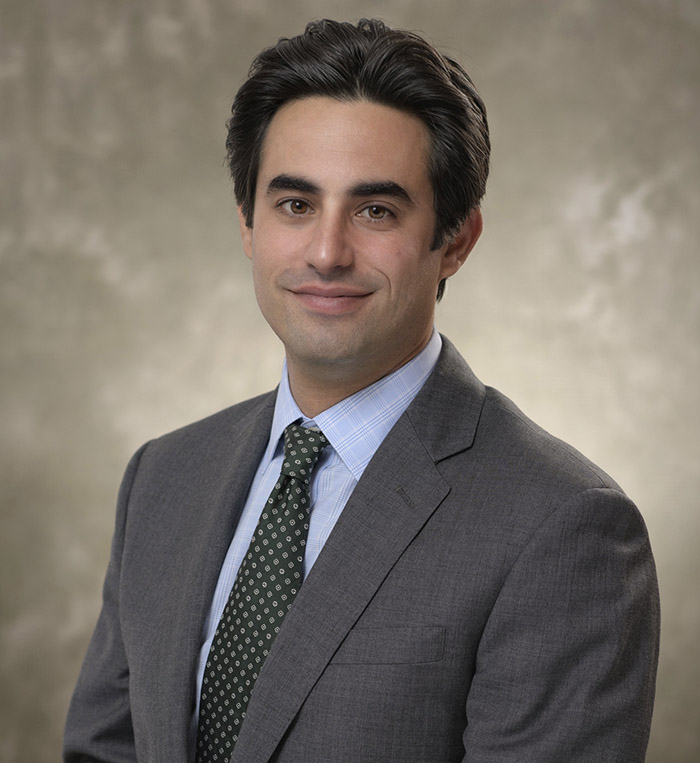
Professor Jacob Sherkow is one of the authors of a chapter in the new book “COVID-19 and the Law,” published by Cambridge University Press. The chapter examines the ways in which aspects of health law such as food and drug regulation, healthcare reimbursement, and direct research and development subsidies encouraged and impeded new technologies in the fight against COVID-19. The authors sought to provide insight to highlight important lessons for policymakers in order to better prepare for the next pandemic.

Curtis and student clinician speak with WEFT about the Veterans Legal Clinc

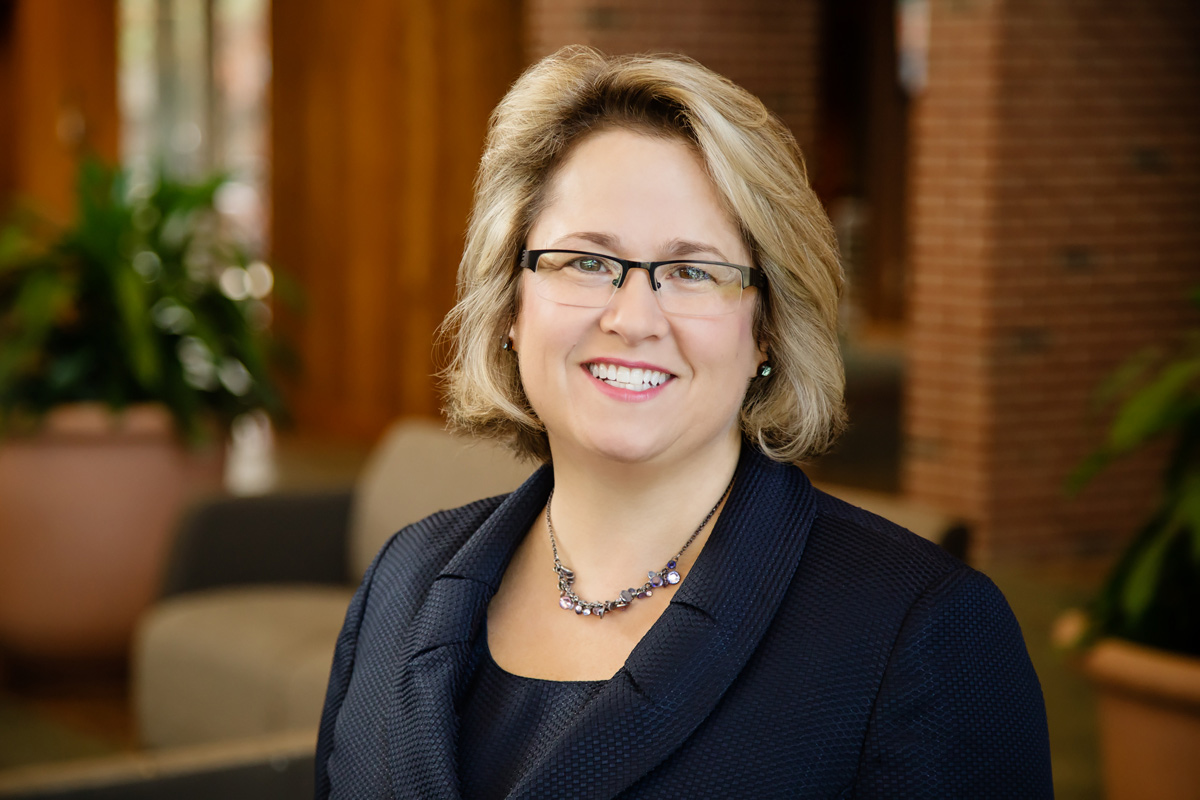
Veterans Legal Clinic Director Yulanda Curtis and Briley McVey ’24 joined the WEFT program “Catch the Beat from Market Street” to discuss the different services provided by the clinic and share experiences working with veterans and their families. Their half-hour interview spans a number of topics and provides great insight into why the work of the Veterans Legal Clinic is so important.

Politico quotes Sherkow on CRISPR case

The dispute over who invented CRISPR-Cas9 gene editing is headed to federal appellate court, and Politico turned to Professor Jacob Sherkow to help sort out the details. He expects the case will return to patent court and may result in changes to the licensing fees collected. “Absolutely none of this under any reasonable interpretation is going to change what the retail sticker cost of these drug therapies are going to be — not by a dollar, not by a cent,” Sherkow added.

Wexler discusses Israel-Hamas war on the 21st Show

“Some people see this as an armed conflict only and some people see this as a genocide,” Professor Lesley Wexler said on The 21st Show, discussing the Israel-Hamas war. In her wide-ranging interview, she discussed the conflict, the international law issues around the conflict, and how it is being interpreted by various groups in the US and abroad.

Shapiro speaks to CNN about campus protests

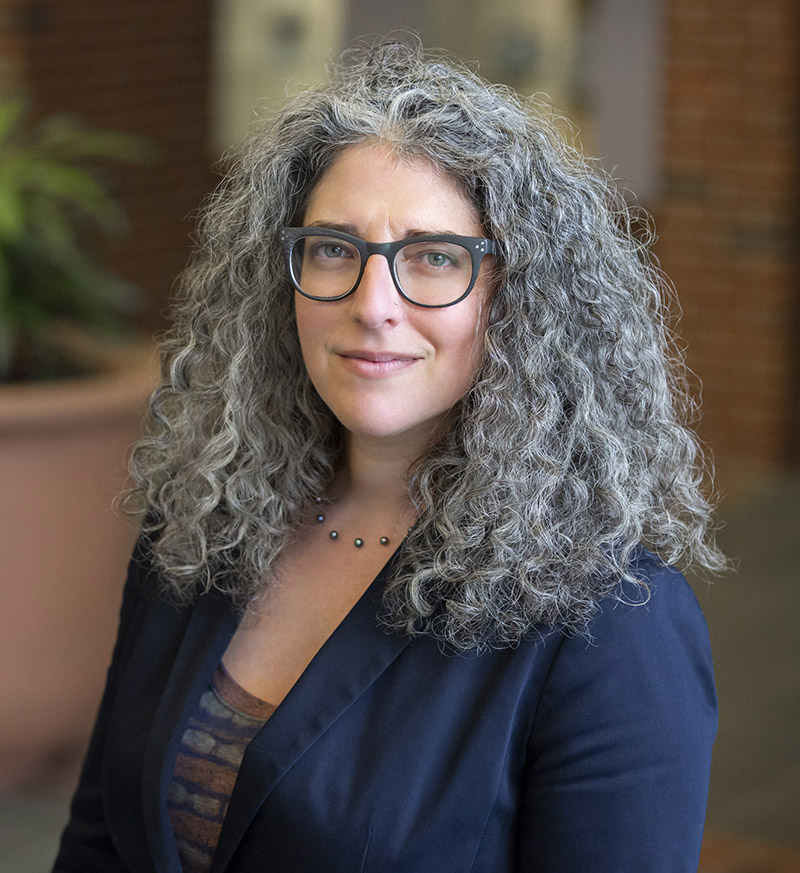
Speaking to CNN after pro-Palestinian demonstrators were removed from the campuses of Columbia and Brown, Lena Shapiro, director of the First Amendment Clinic, emphasized the importance of safety during campus demonstrations. She explained colleges should ensure all students have a space to protest while imposing reasonable restrictions on the time, place, and manner of protests to maintain order. Additionally, Shapiro highlighted the need for open communication between schools and protesters to find common ground and avoid conflicts.

Regulatory Review analyzes recent article from Rowell

Americans spend nearly 90% of their time indoors, yet current environmental laws do not regulate indoor air quality. The Regulatory Review recently analyzed a recent article from Professor Arden Rowell in which she argues that effective environmental policies should include indoor environments, as existing regulations like the Clean Air Act only cover outdoor air, creating a patchwork of inadequate protections. She advocates for comprehensive federal regulations to address indoor air quality, emphasizing that such measures are essential for safeguarding human health as outdoor environments become more hazardous.

Mazzone discusses campus speech on WGN Radio

In an extensive interview on the WGN Radio program “Let’s Get Legal,” Professor Jason Mazzone answered a number of questions about free speech on campus and how universities can regulate conduct on their grounds. In the wake of protests at colleges and universities across the country, he addressed the legal issues that protect speech and protect the ability to say when and where that speech is protected. “Universities are not just…a place where anyone can show up and speak,” he told host Jon Hansen. 

Amar and Mazzone explore free speech in high schools in new series

After a North Carolina high school student was suspended for using the term “illegal alien” in an assignment, Professors Vikram Amar and Jason Mazzone look closely at the First Amendment issues arising from the situation. In a two-part series on Justia Verdict, the authors break down the case as if it were being presented before a class of law students, examining what the law says and what precedent exists. Their analysis winds through “how complicated, murky (and unresolved) much of the doctrinal landscape in this realm is,” and how cases like this pose important questions about free speech.

Read part 1 and part 2 on Justia Verdict.

Thomas discusses Trump trials and juries with Illinois News Bureau

“I hope all of the criminal Trump trials highlight the importance of juries,” Professor Suja Thomas told the Illinois News Bureau in a recent interview. She spoke at length on what impact former President Donald Trump’s trials may have on the public perception of jury duty. Though there has been a decline in jury trials due to plea bargains in criminal cases and private arbitration or dismissals in civil cases, Thomas emphasized the crucial role of jury trials in checking governmental power and ensuring fair justice, noting systemic biases favoring the wealthy in the current criminal justice system.

Winship authors post on suits against private companies brought by shareholders

In a new blog post published on the Harvard Law School Forum on Corporate Governance, Professor Verity Winship examines a “blindspot in the law and its analysis”: suits brought by investors against the company in which they own shares. Reviewing literature on “unicorn” companies, private companies valued over $1 billion, Winship discovered a few interesting and unique aspects of shareholder suits against these groups. She found such cases are rare and predominantly based on state-law claims, and their rarity may be due to procedural limitations, investment structures, and the absence of market prices, necessitating a new approach to align regulatory frameworks with the realities of modern private companies.  

College of Law
504 East Pennsylvania Avenue
Champaign, IL 61820
(217) 333-0931