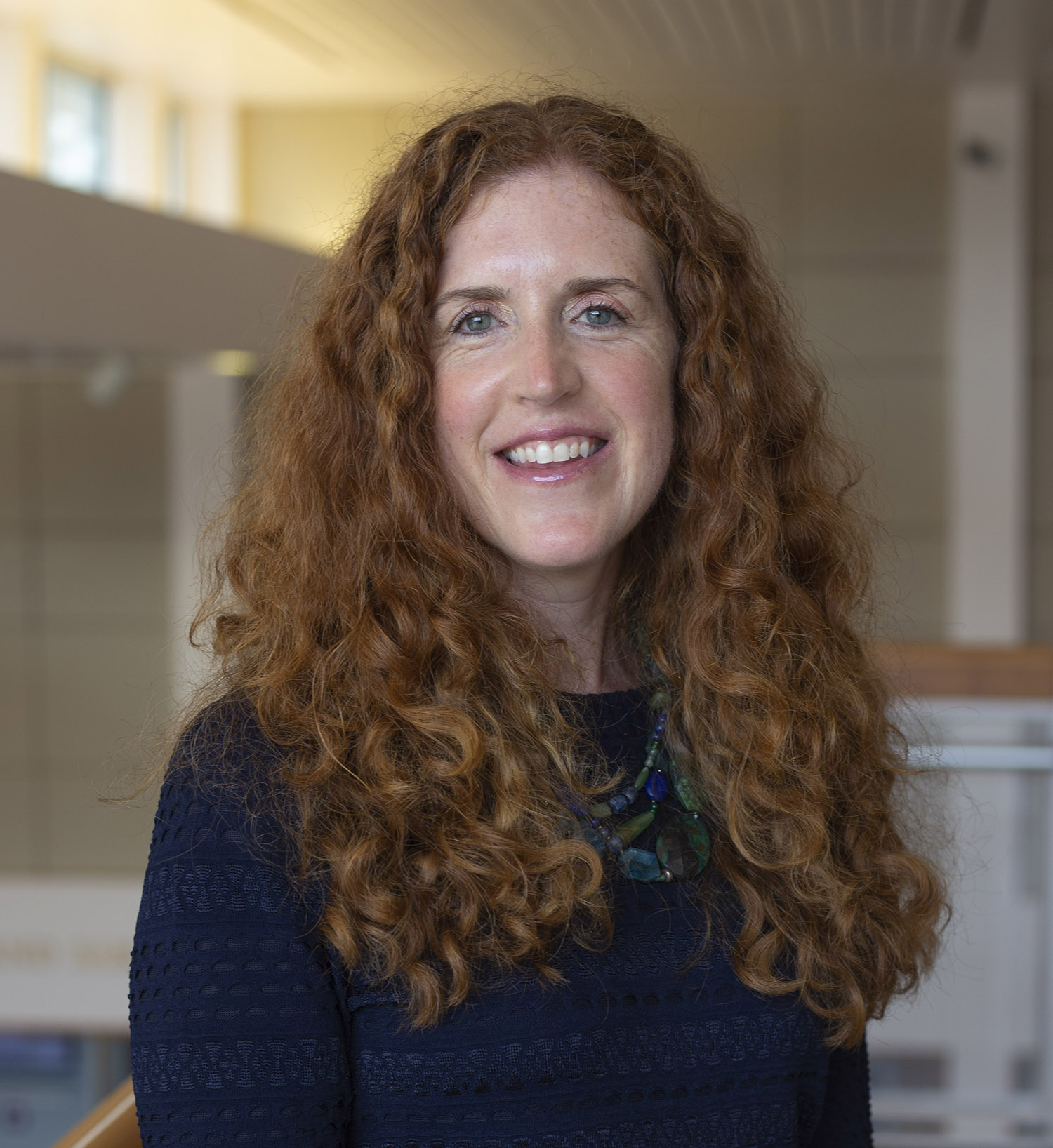
Mazzone writes op-ed on upcoming SCOTUS term

The First and Second Amendments, federal government powers, the prosecution of former President Donald Trump, and ethics are among the topics Professor Jason Mazzone is anticipating will dominate the upcoming Supreme Court term. Writing at the News-Gazette, Mazzone highlights the cases and issues that could prove monumental. In his opinion piece, he goes through high- and lower-profile cases that “might sound nerdy” but “could significantly impact the lives of many Americans.”

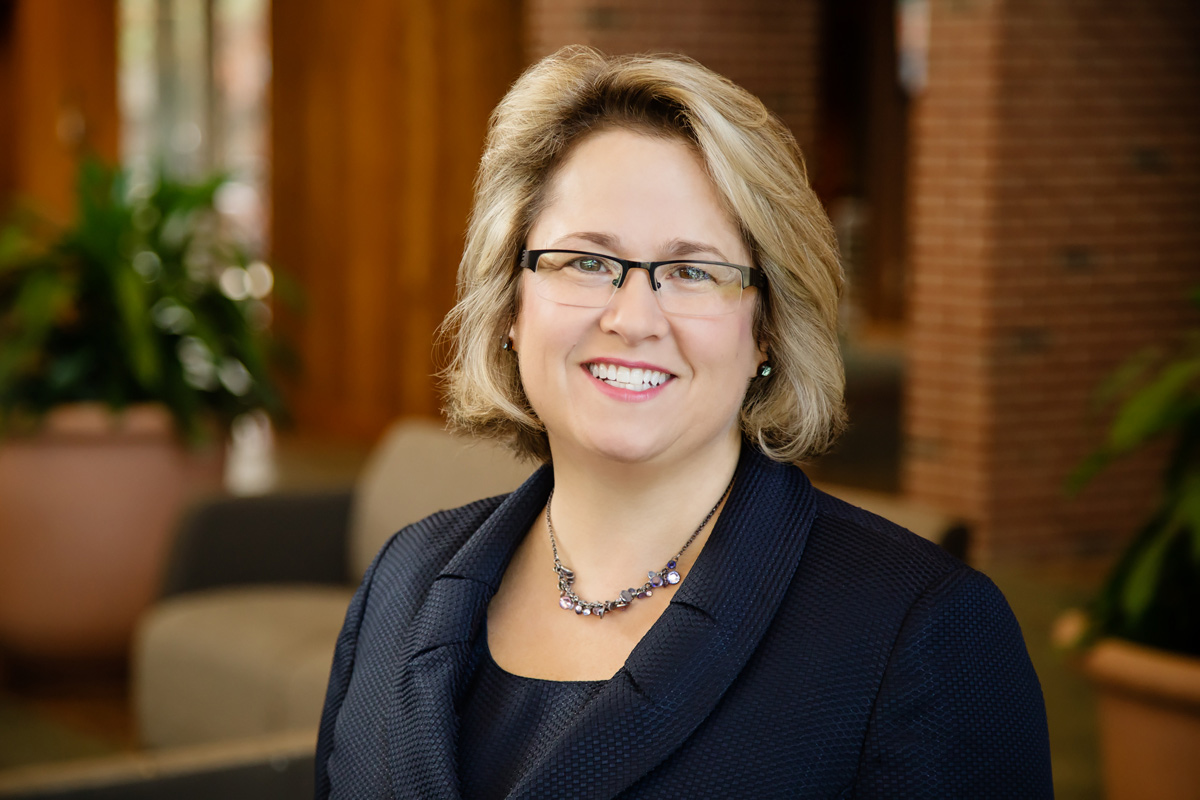
Sherkow delivers lecture at CMMC Symposium

Professor Jacob Sherkow travelled to Cologne, Germany, in September to deliver a lecture as part of the CMMC Symposium in Molecular Medicine. The Symposium was titled “From Concepts to Clinic: a New Era of Nucleic Acid Therapeutics,” and aimed to provide attendees with an in-depth understanding of the chemical, biological and clinical challenges in the field. Sherkow presented a speech titled “Nucleic Acid Platforms: US and EU regulatory challenges,” which was part of the preclinical and clinical application portion of the proceedings.

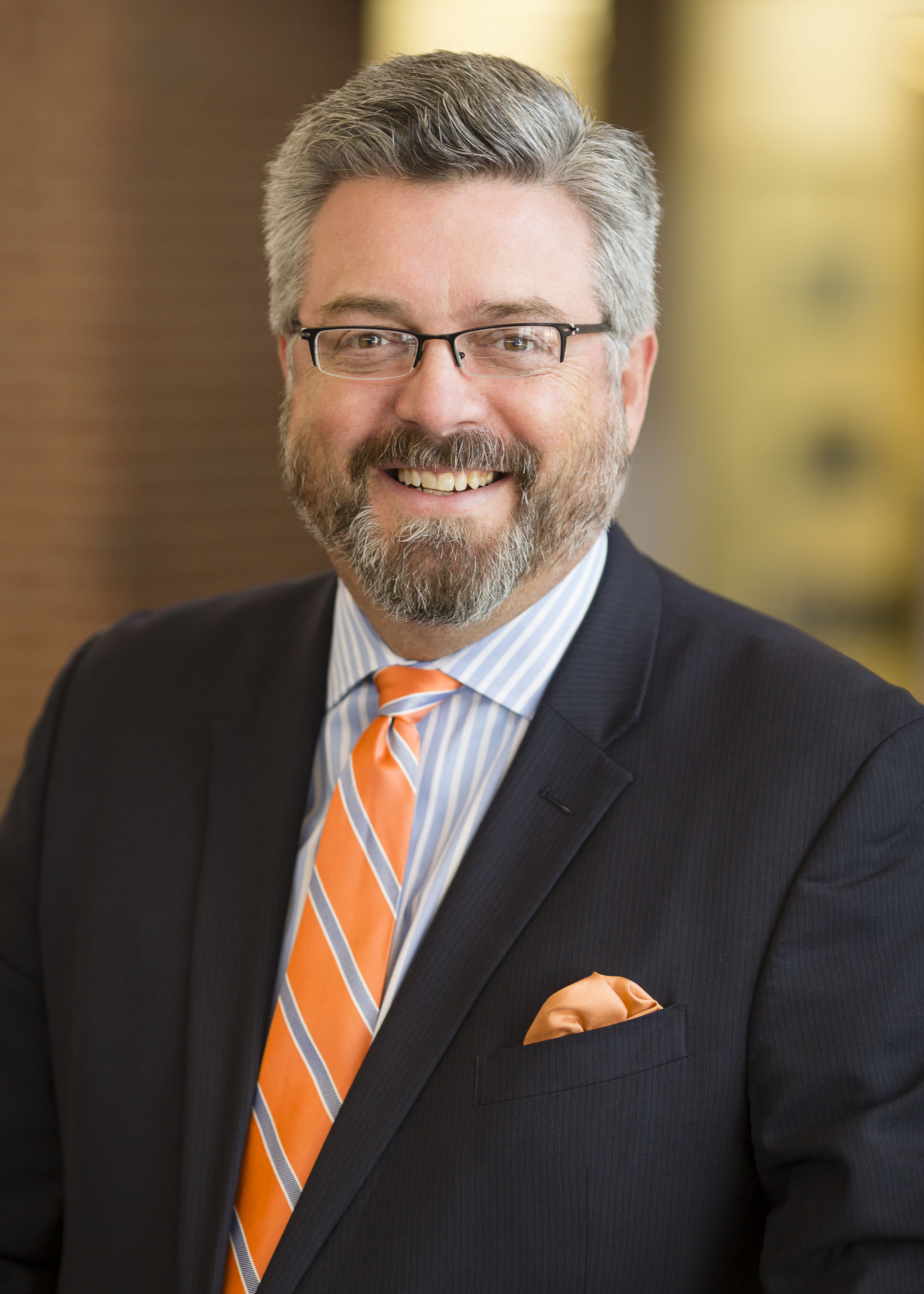
New York Times quotes LeRoy on changes in college football

When the 2023 season concludes in college football, the game may never look the same again. Teams will switch long-time conference allegiances, players will switch teams, some conferences may cease to exist, and the playoff system will triple in size. This upheaval is triggered by money: money from television contracts and money on offer to students in the form of NIL (name, image and likeness) deals. In their examination of the changes at hand, the New York Times quoted Professor Michael LeRoy, who was unsparing in his criticism of the current state of college football. “This has become a soulless enterprise,” LeRoy said. “There is no moral compass. There is no brotherhood. Now you eat off your brother’s plate and you don’t care if he goes hungry.”

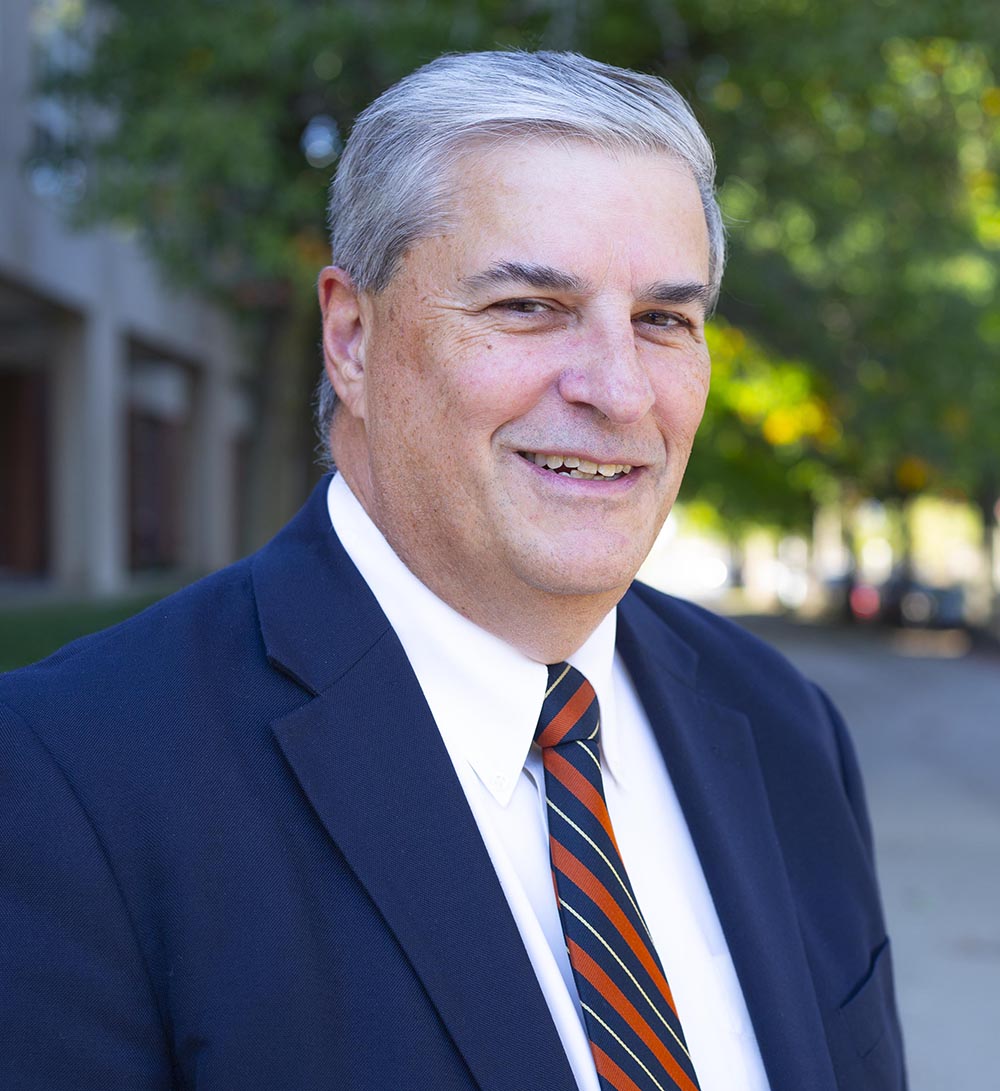
Rowell joins Beckman as an affiliate

Professor Arden Rowell, an expert in environmental law, administrative law, risk regulation and human behavior, has joined the faculty of the Beckman Institute or Advanced Science and Technology. In addition to her work at the College of Law, Rowell will share her expertise with students of Beckman and continue her collaborative work with the faculty and researchers there. Rowell’s recent collaborations at Beckman have focused on work with Zahra Mohaghegh, an associate professor of nuclear, plasma, and radiological engineering.

Lawless quoted in article on Shelby County bankruptcies

In the past year, Shelby County, Tennessee, has a record of six bankruptcies per 1,000 residents, a rate that tops the nation. With none of the other 100 largest counties in the United States having more than four per 1,000, the difference is not particularly close, either. In their investigation of this phenomenon, MLK50: Justice Through Journalism, a nonprofit Memphis newsroom, quoted Professor Robert Lawless. “(Shelby County) is a tremendous outlier,” said Lawless. “It’s hard to think of a reason why (that is) except for legal practice.… I have no question that there are attorneys in Memphis doing the right things by their client.… And I have no question that there are attorneys in Memphis that are taking advantage of people.”

Shapiro discusses Kansas newspaper raid with Illinois News Bureau

In a dramatic scene, police in Marion, Kansas, raided the offices of the Marion County Record newspaper in late August, seizing reporters’ cell phones and computers, among other items. The “unheard of” raid immediately raised questions of First Amendment protections afforded to newspapers like the Marion County Record, which is owned by former Illinois journalism professor Eric K. Meyer. To address these questions, the Illinois News Bureau interviewed Professor Lena Shapiro, director of the First Amendment Clinic, who was unequivocal in her assertion that the raid was a violation of the Constitution’s protections. “This raid should never have happened in the first place, and I hope that the embarrassing outcome for Marion County in the government officials’ pursuit of the raid serves as a deterrent to others who want to push aside First Amendment protections to retaliate against journalists,” she said.

Knudsen follows his passion to Chicago City Council

From campaigning as an undergrad, to Student Senate in Law School, and door-to-door campaigning after graduation, politics has long been a part of Timmy Knudsen’s life. A role as Alderperson of Chicago’s 43rd Ward might not have been what he predicted when he graduated from the College of Law in 2015, however.

“I’m not a five-year plan person,” he said with a laugh. “I just followed timing. When the opening appeared to go full time into a role that I thought was a good fit, I went for it. And if that opening hadn’t appeared, I’d probably still be working in my practice right now.”

Timing has worked out fairly well for Knudsen so far. After graduation, he joined Katten Muchin Rosenman LLP, where he worked as an associate for 5 years before joining Croke Fairchild Morgan & Beres as a partner. Knudsen says he loved his time in practice, not least for the opportunity it afforded him to broaden his horizons. In his practice work, he served as counsel for startups and working with company boards, a role he credits Professor Nicola Sharpe as helping him prepare for; however, it was the pro bono work representing LGBTQ+ clients in asylum cases that he found especially rewarding.

Knudsen recommends any young lawyer seek out similar boundary-expanding experiences in their practice.

“It’s important to get really good at something, right? But don’t let them pigeonhole you. You’ve got to understand that you also can access things outside your ‘specialty,’” he said. “If you ever feel like you’re becoming pigeonholed, I would say do pro-bono…it’s also more gratifying than really just kind of being one person in the assembly line.”

Outside of practice, Knudsen continued working on political campaigns, including that of former Chicago Mayor Lori Lightfoot. His service on her campaign finance team came at the right time, because his enthusiastic spirit and strong leadership skills were what Lightfoot was looking for after a retirement on the Zoning Board of Appeals, then the Chair of the Zoning Board of Appeals, and finally in the 43rd Ward necessitated appointments. In the short three years between September 2019 and September 2022, Lightfoot chose Knudsen for each of those three roles, making him the youngest Alderperson in Chicago at the time of his appointment.

Being the youngest didn’t intimidate him, though, as he held firm to his values and followed his ambition. Knudsen credited his years of preparation at Illinois for helping him embrace the challenge.

“You don’t really comprehend all of the lessons you’re getting in law school until you’ve had the time and space in your career to, like, practice it and look at how you approach a certain topic and say, ‘Yeah, you know, I get it,’” Knudsen said. “I think I still have a ton of time left to learn. It’s been like trial by fire, but we’re getting there.”

Unlike his age, Knudsen’s identity did not make him an outlier on the City Council. After April’s election, in which Knudsen was chosen by voters for a full four-year term, he is one of nine members of the council that identifies as LGBTQ+, comprising one-fifth of the body.

Knudsen came out to friends and family while in law school but was uncertain about how open he could be upon entering practice. He was pleasantly surprised by how accepting his firms were, though he still felt like he was “walking on ice” at first.

Partly that feeling came from having a lack of role models or individuals he could speak to and ask questions. Things have changed for the better in that regard, and Knudsen wants to be the person he wanted to see as a younger person, a role he stepped into on a recent trip to campus to speak with Outlaw and the Leadership Project.

“I always feel a responsibility to lift up voices, and I’m pumped to be getting more involved,” he said.

Though he’s not one to plan too far in advance, it seems safe to presume that Knudsen has already become a great role model for students at Illinois and whatever comes next in his exciting career is going to be worth watching.

Timmy Knudsen speaking at the College of Law

Delete

Edit embedded media in the Files Tab and re-insert as needed.
Sherkow files amicus brief in patent case

Writing with fellow patent experts, Professors Bernard Chao and Timothy Holbrook of the University of Denver School of Law and Professor Mark A. Lemley of Stanford Law School, Professor Jacob Sherkow submitted an amicus brief to the U.S. Court of Appeals for the Federal Circuit. The brief is written in response to the decision made by the Patent Trial and Appeal Board (PTAB) in a case involving Xencor Inc. In their previous decision, PTAB rejected a patent claim from Xencor, a decision Sherkow and his co-authors describe as “wrong on the law and wrong on the science.” The amicus brief supports Xencor’s claim and encourages the Court of Appeals for the Federal Circuit to reverse the decision from PTAB. 

Brubaker submits amicus brief in Purdue Pharma case

In the case of Harrington v. Purdue Pharma, pending before the U.S. Supreme Court, Professor Ralph Brubaker has submitted an amicus brief arguing “Courts have no power to approve” the bankruptcy plan submitted by Purdue Pharma. Joined in writing the brief by fellow bankruptcy experts Professor Bruce Markell of Northwestern and Professor Jonathan Seymour of Duke, Brubaker and his co-amici assert that approval of the Chapter 11 bankruptcy plan from Purdue Pharma is not permissible under established law and would represent a violation of claimants’ due-process rights. The brief suggests that the Court should repudiate the discharge plan in order to “put an end to the abusive ‘bankruptcy grifting’ that this case vividly illustrates.”

Mazzone co-organizes international conference on the topic of landmark judgments in constitutional cases

On September 14-15, 2023, the Program in Constitutional Theory, History and Law was the co-sponsor of an international conference in Bologna, Italy, on the topic of landmark judgments in constitutional cases. The conference, organized by program director Jason Mazzone in collaboration with Professors Francesco Biagi (University of Bologna) and Justin Frosini (Bocconi University), brought together scholars from around the world to examine the designation, significance, and trajectory of landmark cases in different nations. Mirosław Granat, former Justice of the Constitutional Court of Poland, gave the conference keynote address. Papers from the conference will be published next year as a book. The conference was the fifth meeting of the Illinois-Bologna series in Constitutional History: Comparative Perspectives. 

College of Law
504 East Pennsylvania Avenue
Champaign, IL 61820
(217) 333-0931