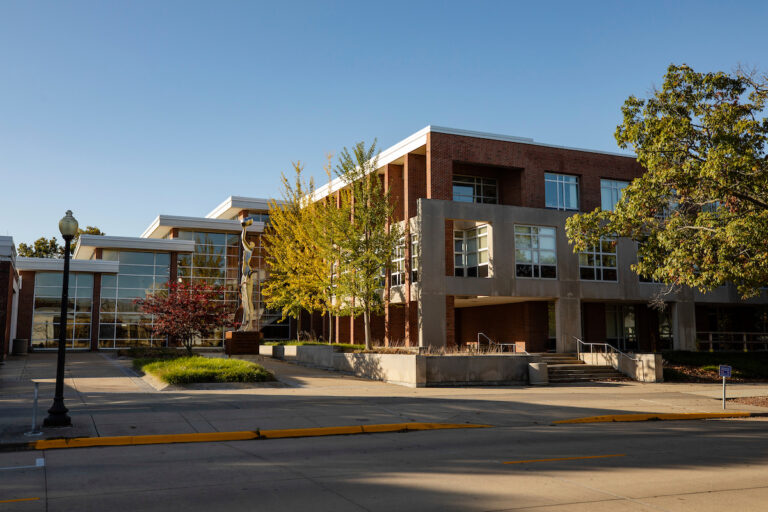
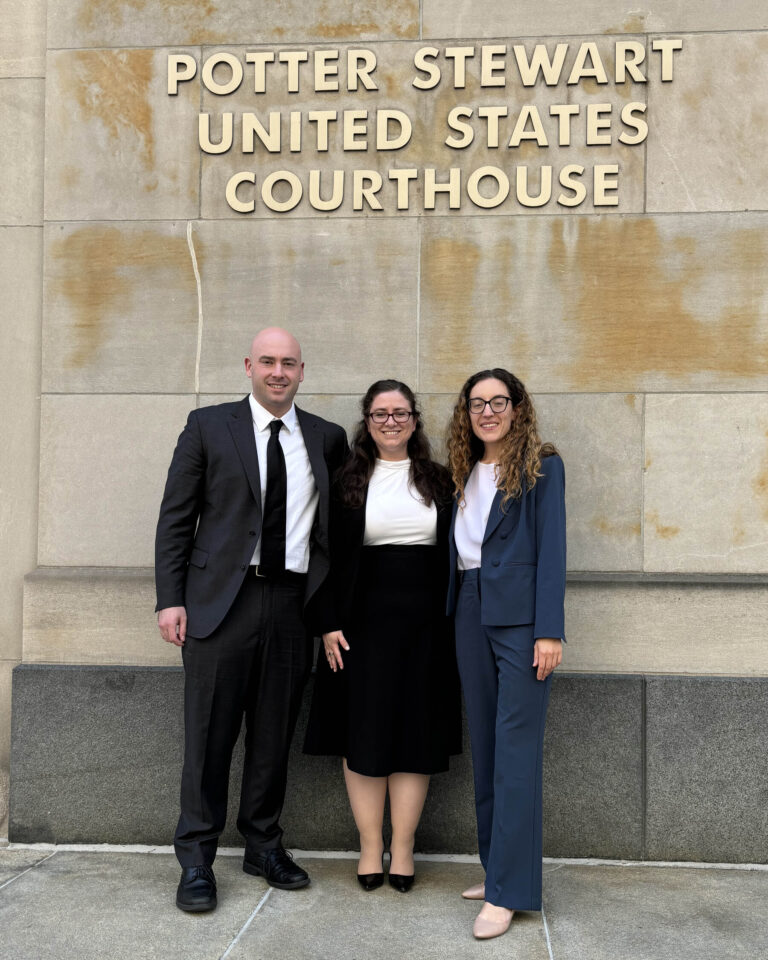
The mission of the Clinic is to support freedom of expression and civic engagement by enhancing law students’ understanding of the First Amendment and providing a resource for organizations, students, journalists, and citizens defending and advancing First Amendment protections.
About the Clinic
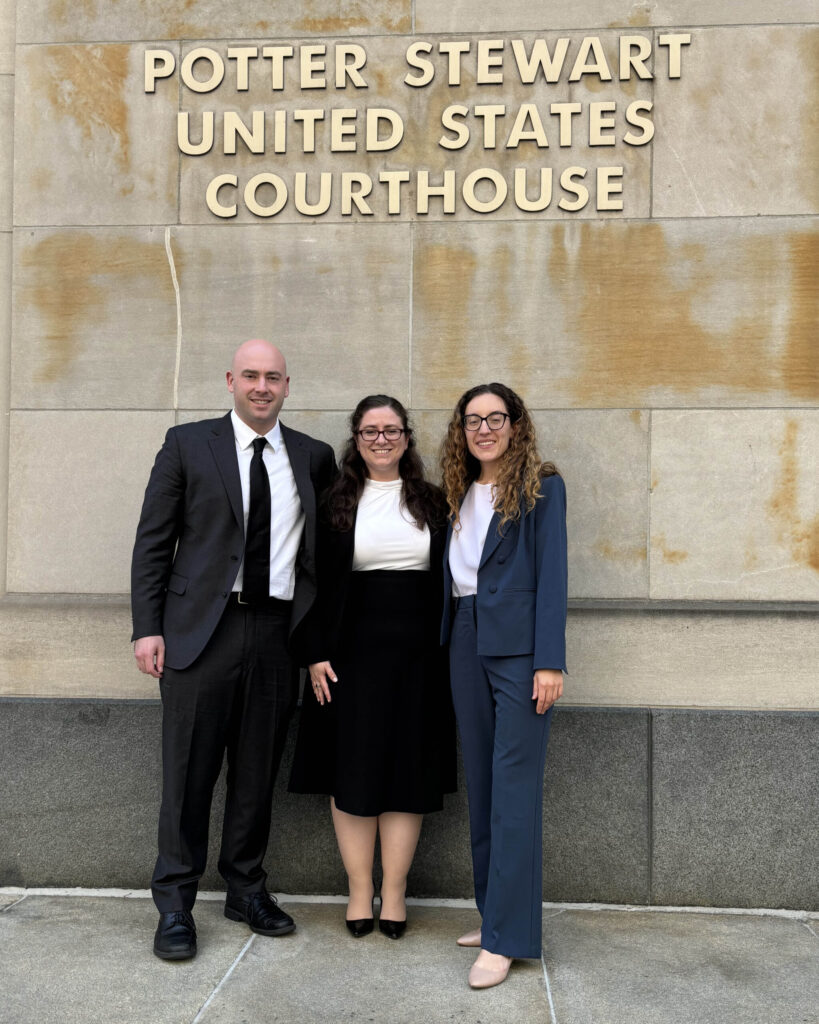
Students in the First Amendment Clinic represent clients under the supervision of an experienced attorney; however, students are responsible for all aspects of the legal representation of their clients. Representation may include client interviewing, case evaluation and research, motion practice and brief writing, drafting pleadings and discovery requests, taking and defending depositions, participating in discovery and settlement conferences, negotiating with opposing parties, identifying and coordinating with experts, and oral advocacy during court appearances.
Concurrent with their casework, students will learn the substantive and procedural areas of First Amendment Law and civil practice. In addition, First Amendment Clinic students represent clients across the political spectrum, upholding our commitment to advance the freedoms of speech, press and assembly for both groups and individuals.
Current College of Law students can learn more about the Clinic at our FAQ page on the Intranet.
Clinic Faculty

Lena Shapiro
Assistant Clinical Professor
First Amendment Clinic Director
Brendan Gilligan
Visiting Lecturer in Law
Stanton Fellow
Students of the First Amendment Clinic are not only learning the nuances of First Amendment Law, they are also living it by representing clients across the political spectrum, engaging in comprehensive legal representation, and grappling with real-world challenges.
Lena Shapiro
For Prospective Clients
Whether you are seeking legal representation or have a general question, the First Amendment Clinic may be able to help. Please complete the information request form linked below and a Clinic representative will follow up with you.
The First Amendment Clinic can answer general questions and provide general information pertaining to First Amendment law but cannot provide legal advice specific to your particular situation until the Clinic agrees to take on your case. The decision whether to take on a particular case depends on a number of factors, including whether the issue(s) at stake involve a First Amendment right falling within the scope of the Clinic’s mission. Consideration will also be given to the experiential opportunities that a case would provide to Clinic students. Other factors include the capacity of the Clinic at a given time to take on new cases, and the current priorities of the Clinic.
Student Clinician Experiences

Lauren Dauber, ’27
“Participating in the First Amendment Clinic has been one of the most rewarding experiences of my law school career. Through this work, I have applied the foundational knowledge from my 1L year in a meaningful way by engaging in substantive legal representation. In addition to stronger research, writing, and advocacy skills, I have developed a deeper understanding of the First Amendment. Most importantly, being responsible for my case has shown me the tangible impact that legal advocacy has on individuals and communities. It has solidified my interest and commitment to pursuing work that advances civil liberties.”
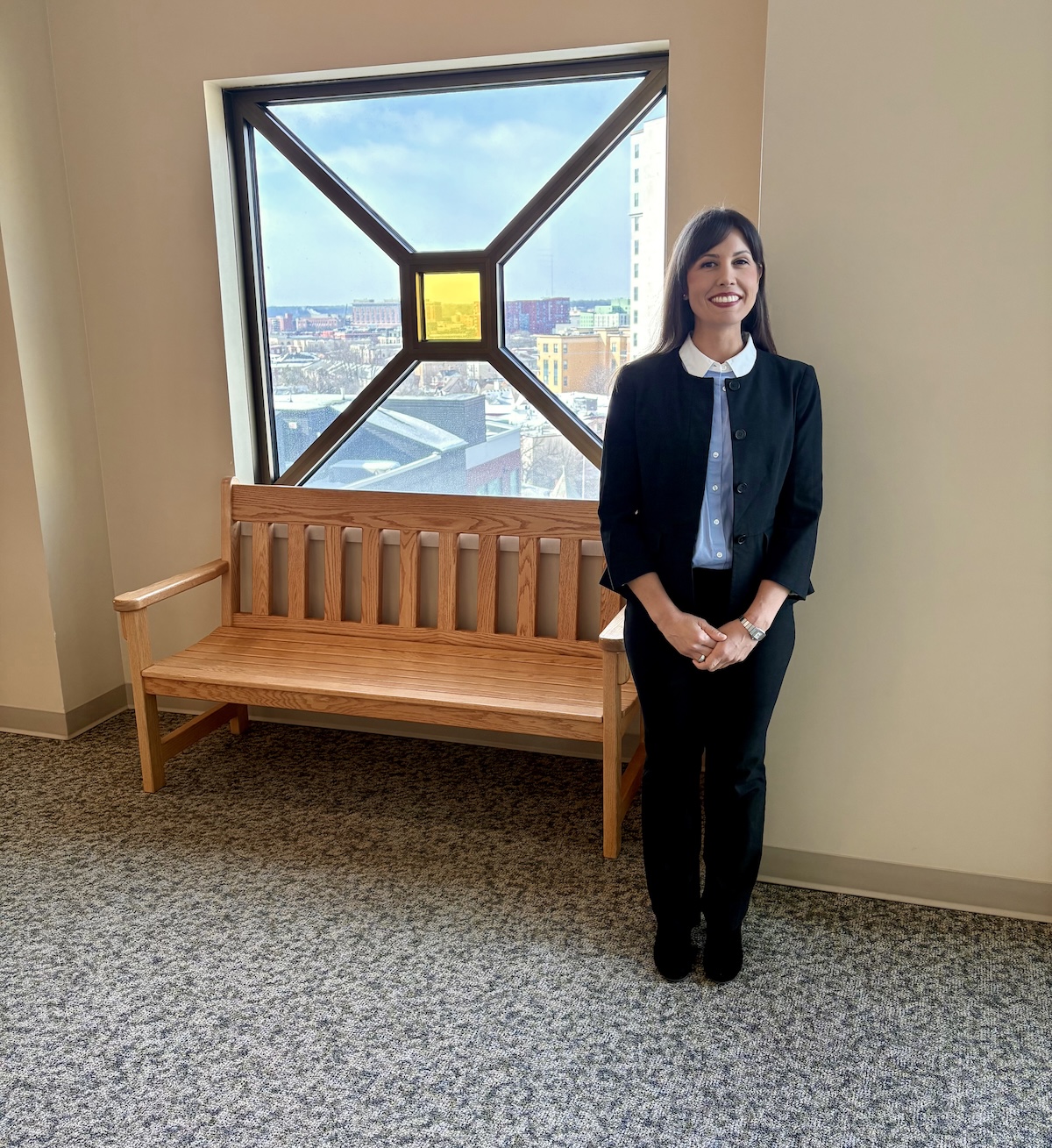
Gabriela De La Llana, ’26
“1AC, as we affectionately call the First Amendment Clinic, was the highlight of law school for me! It was the single most influential “course” that prepared me for legal practice, and this is one of the few experiences you can have as a student that gives you true hands-on experience with real cases and real clients. Showing up at my summer employer already knowing how to do an intake, write a crisp and concise memo for my supervisor, and outline an argument for a brief put me substantially ahead of the game, and I’m sure that contributed to my unanimous return offer. If you have an interest in specific types of opportunities, like oral arguments in court, be sure to say so — the team will do everything they can to make sure you get it.”
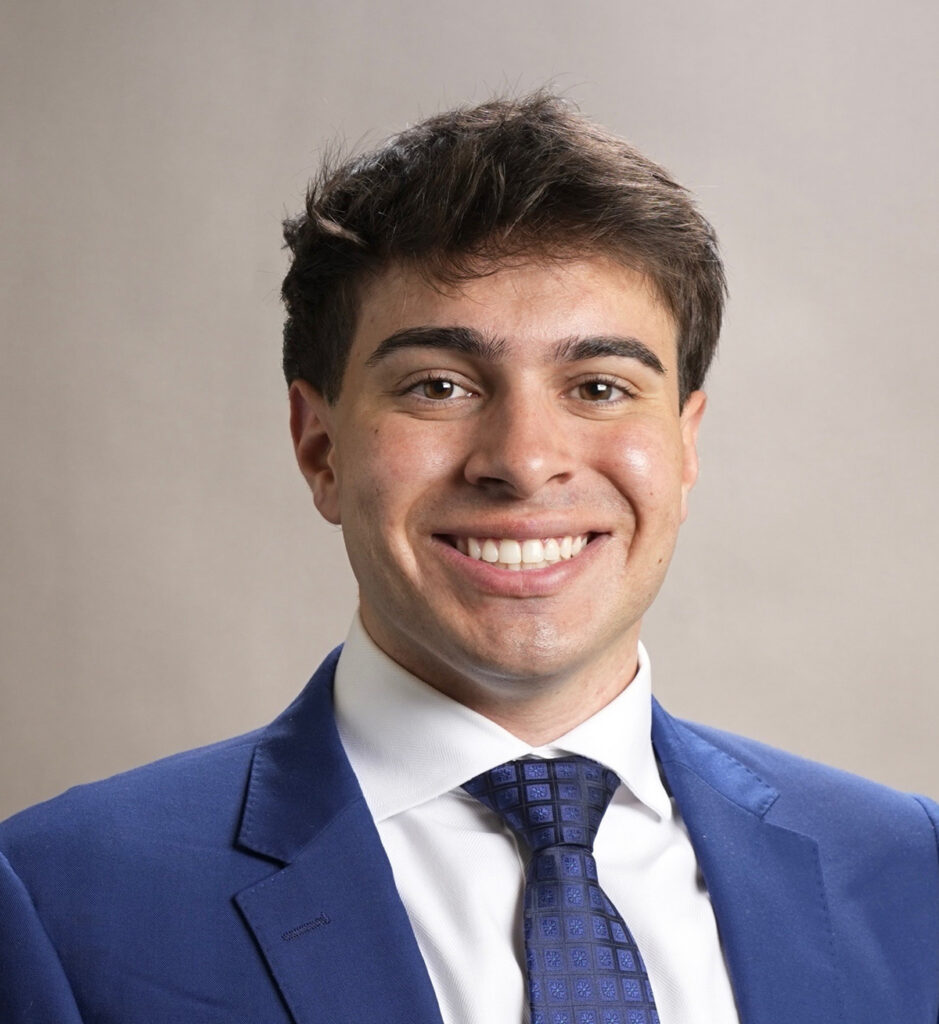
Luke Slota, ’27
“The First Amendment Clinic exposed me to every stage of litigation, from evaluating whether to file a lawsuit to pleadings, written discovery, depositions, and summary judgment. The work spanned a wide variety of First Amendment issues, including public employee speech rights, government restrictions, and more. Beyond the relevant subject matter, the Clinic operates like a law firm, combining top-down supervision (from experienced practitioners) and associate-style teamwork. This structure taught me how to collaborate effectively with peers on case strategy and how to engage supervisors thoughtfully, building the confidence and skills necessary to approach legal work after law school.”